
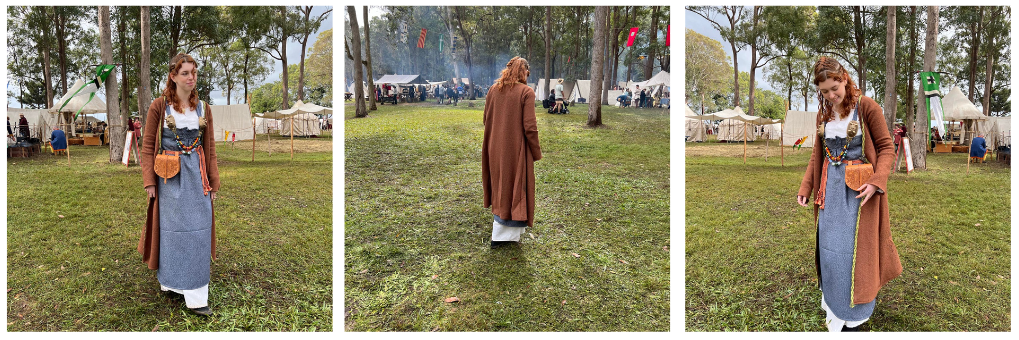
Hello! Long time so see! I am back with another tutorial for you all! Today I will be sharing with you how to make a Viking Coat, something I have been wanting to add to my collection for a while now.
Before we get into the tutorial, I would like to announce that I have started a YouTube channel! (*excited cheers*). This tutorial is in video form if you are interested in checking it out!
Click here to see the video below! Hope you love it 🙂

Brief History
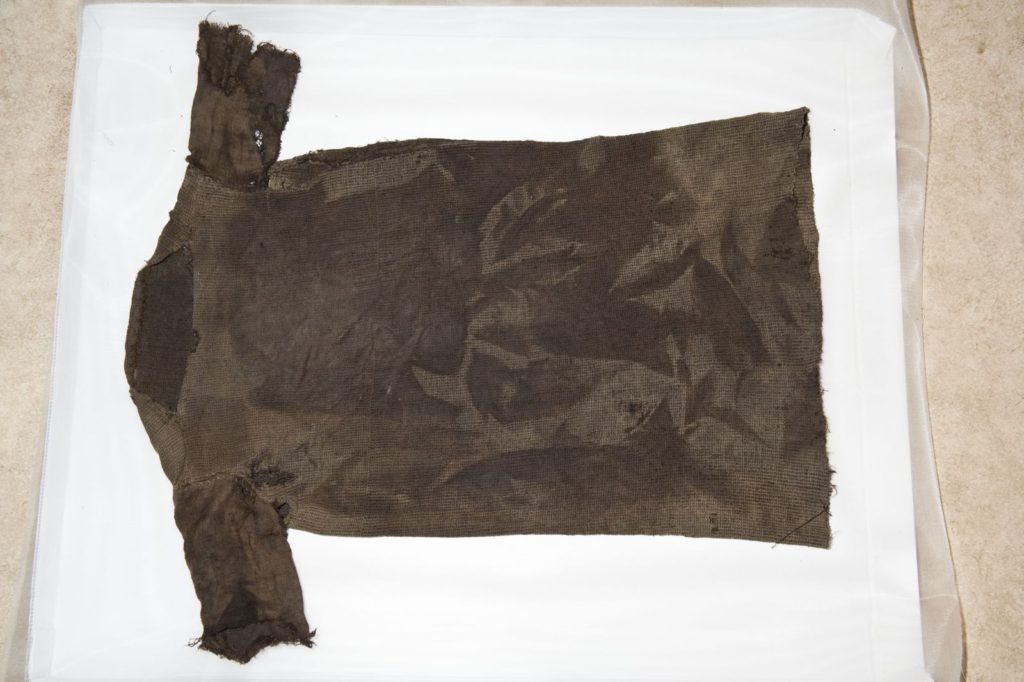
The Birka site was a treasure trove for archaeologists. It was there that fragments of a garment believed to be a coat were found. It would’ve most likely been a mens coat, however, who’s to say a woman didn’t steal her mans clothes back then too 😉
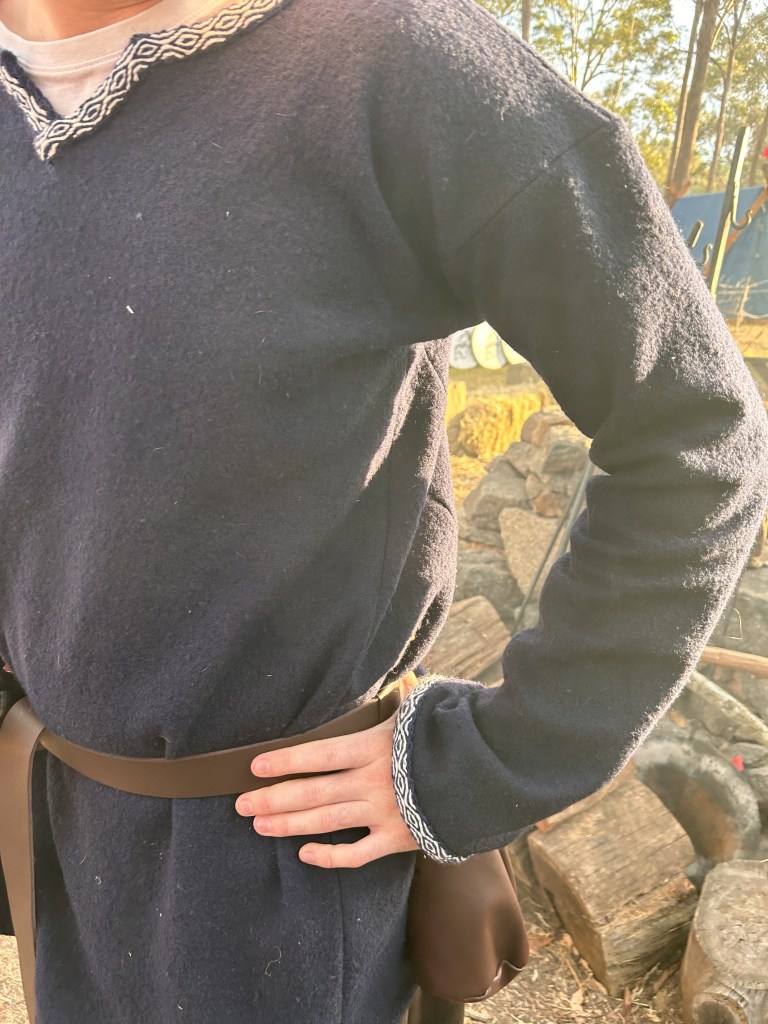
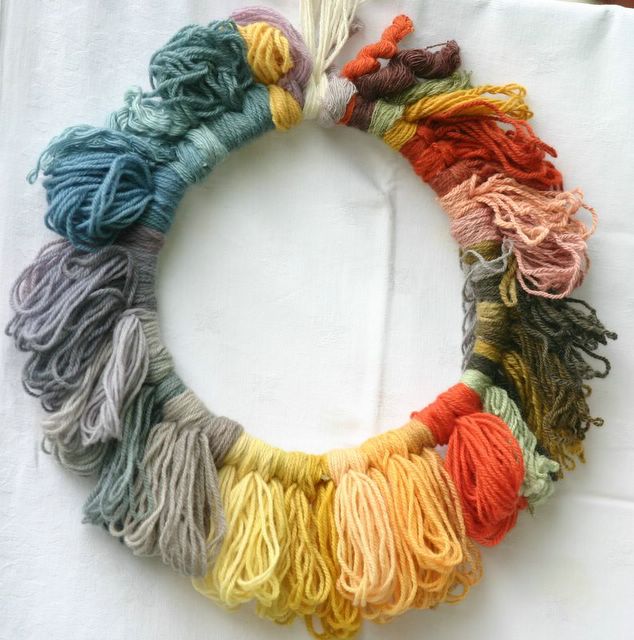
For fabric, I would suggest choosing wool, I get my wool from Super Cheap Fabrics. Herringbone weave has been found at such sites too, so that would be a safe choice! I went with a basic wool with no identifiable weave, in a brown colour, something easily accessible. Don’t forget though! The vikings had access to an array of fun and bright colours, I just chose to go with a colour I could wear with ANY of my outfits.
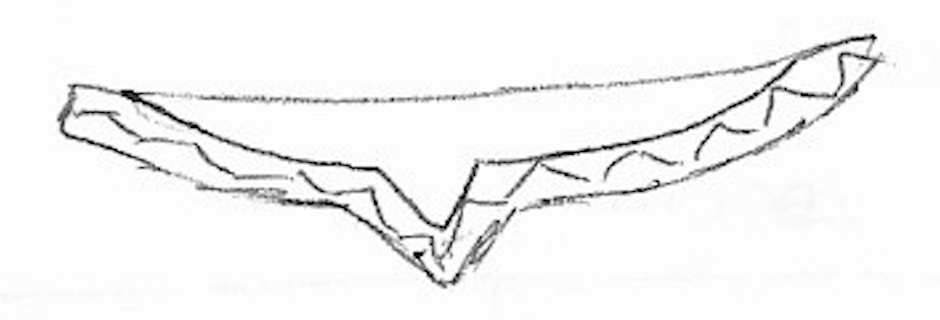
It is thought that – like many other Norse clothing items, that the coat was trimmed with either silk, or tablet woven trim.
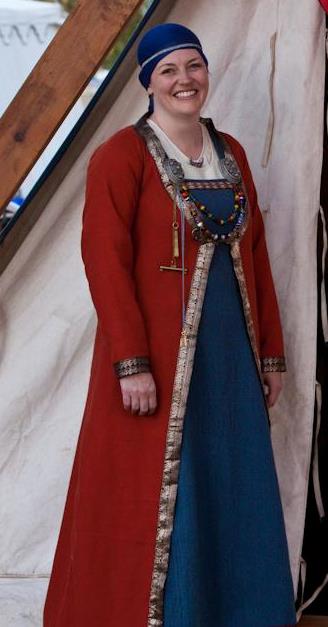
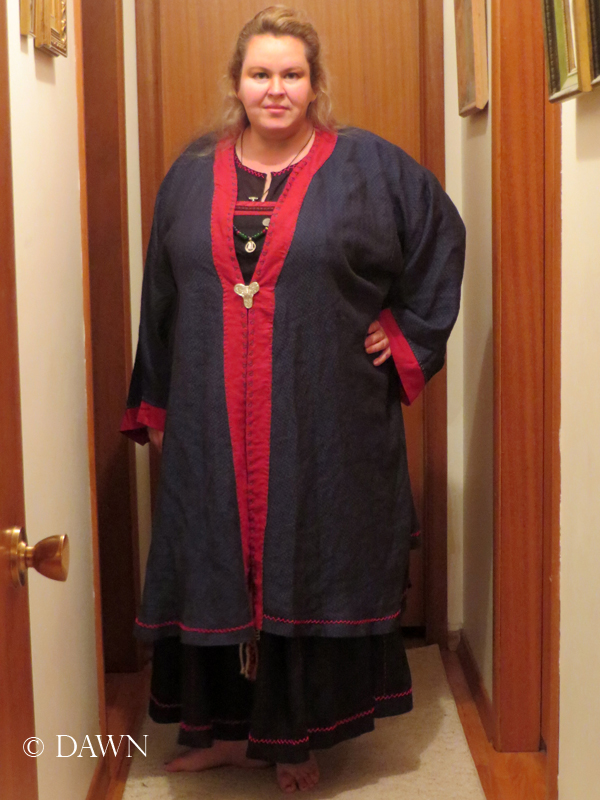
Unfortunately I couldn’t find any images from the Birka site, however I did find a bunch of gorgeous recreations made by other people in the community.

Tutorial
Measurements
For this project you will need…
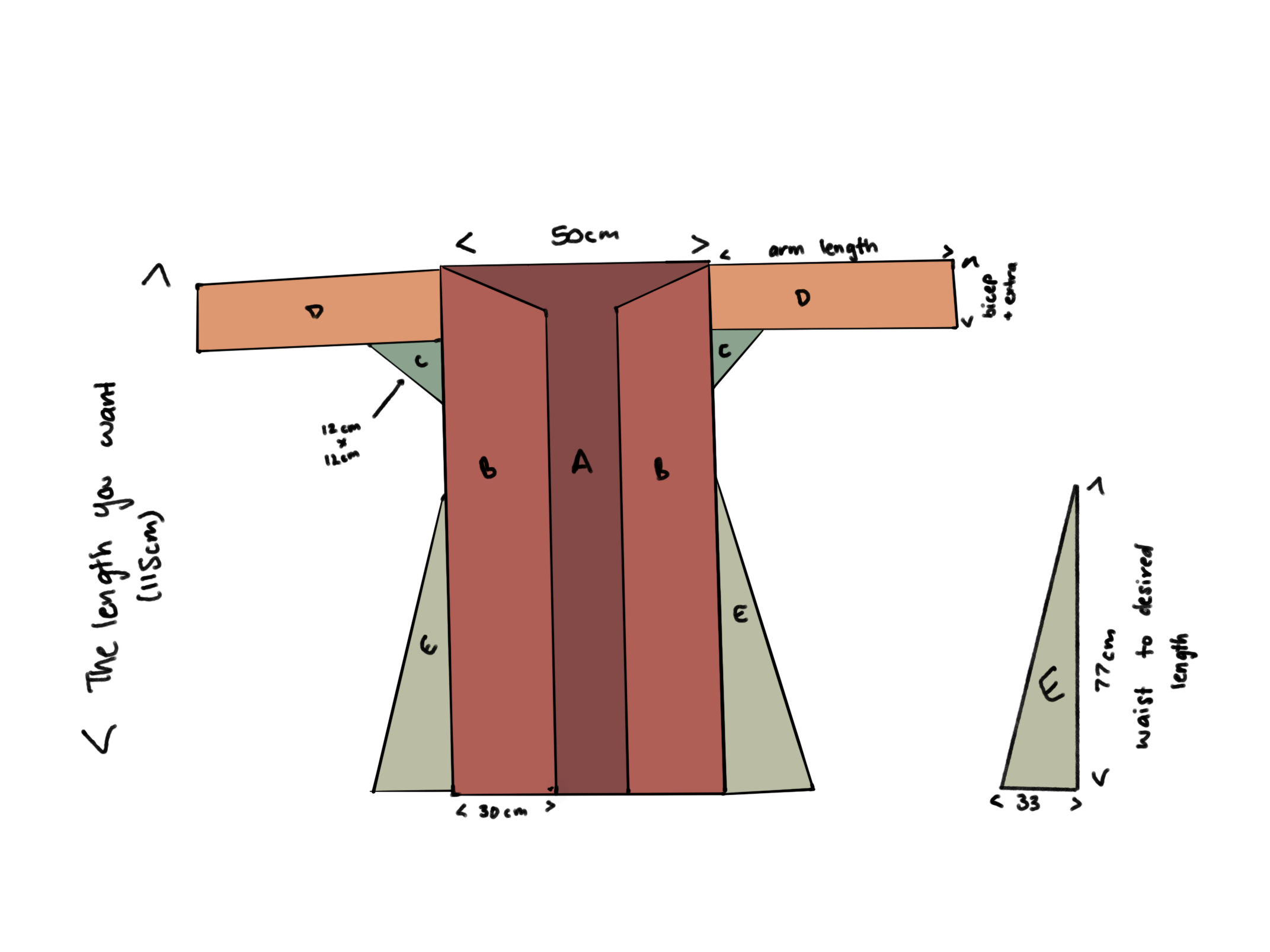
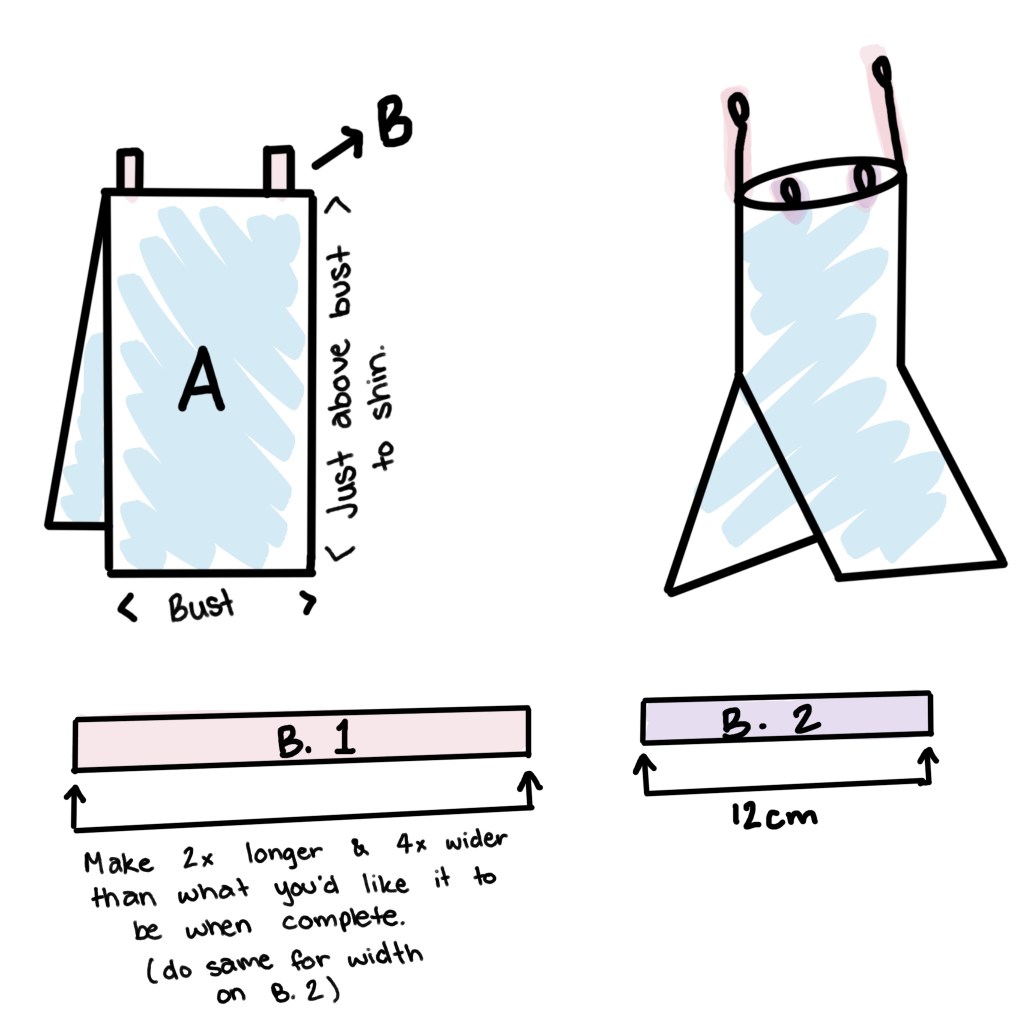
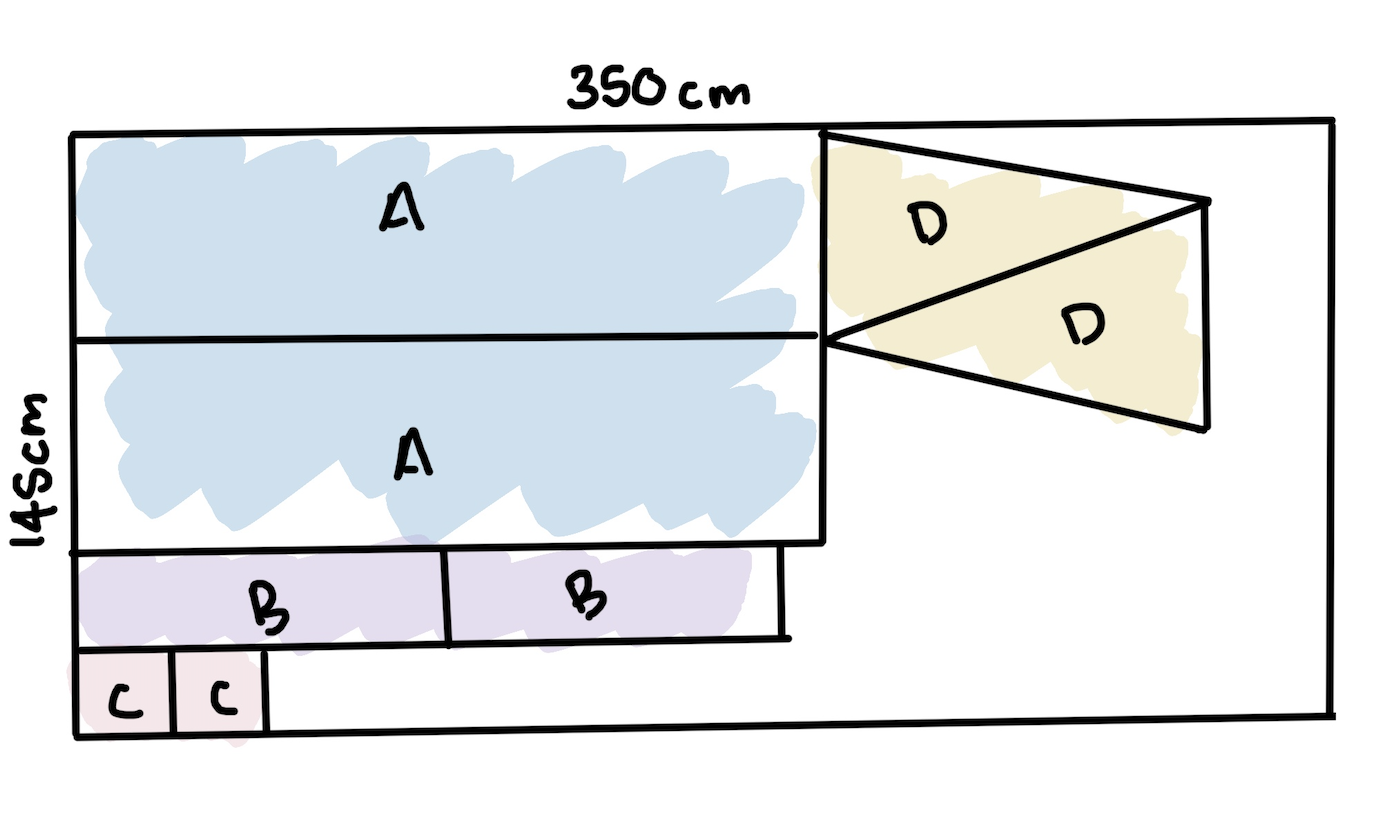
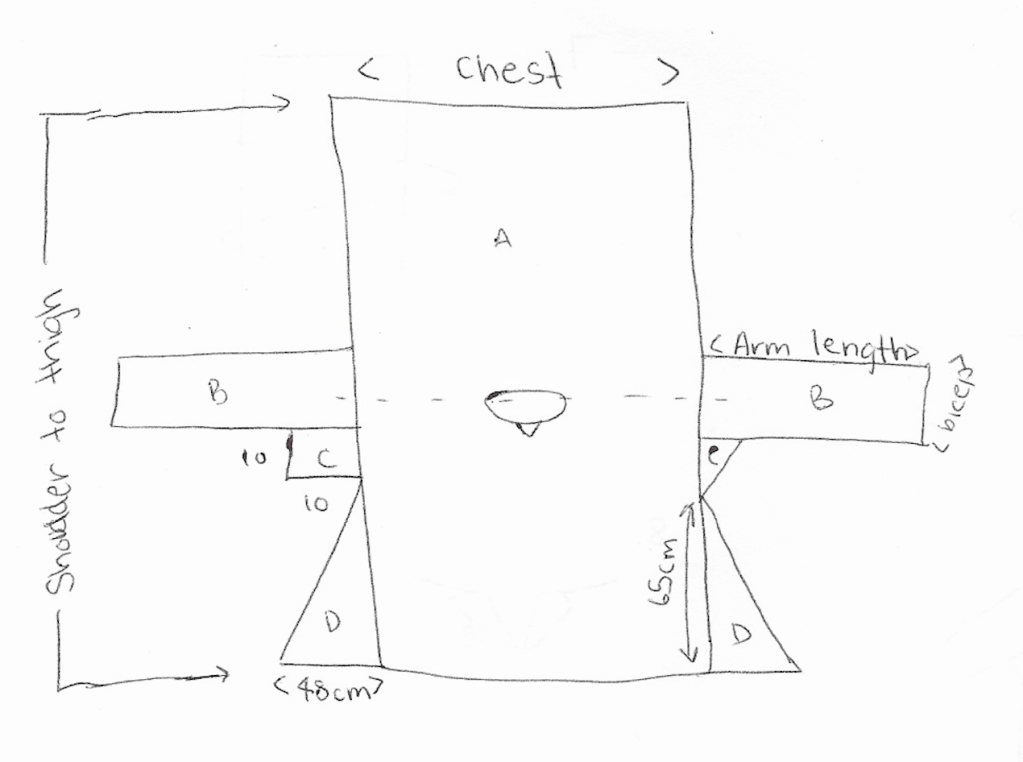
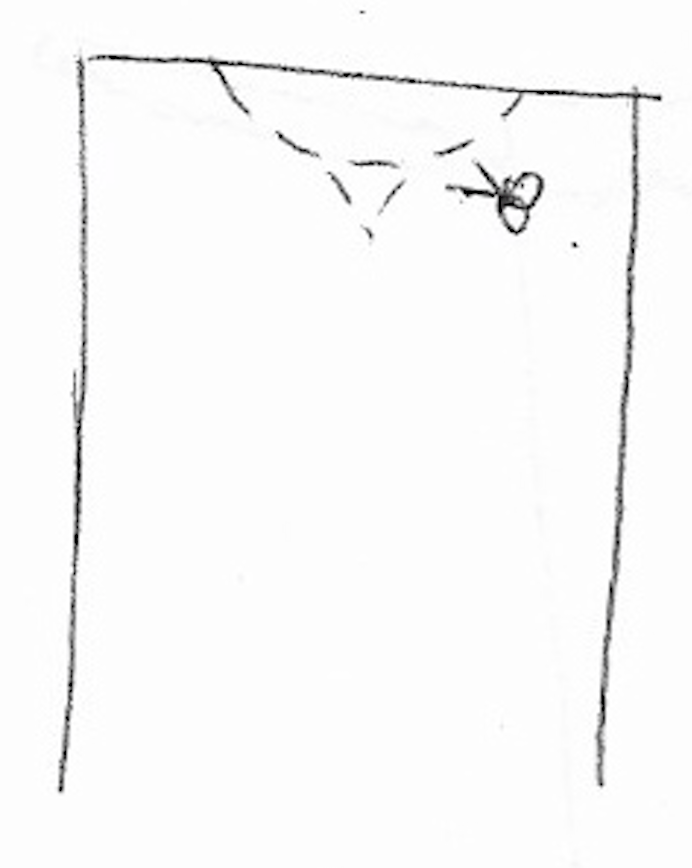
Bust: Measure your full bust divided in half, this number will be the width of your back piece (pattern piece A). Divide your half bust measurement in half again, then add a little extra – I added an extra 10cm to this number, this will be the front half of your coat (pattern piece B) you will need 2 of these rectangles
Shoulder to mid calf: (or how ever long you want your coat to be).
Bicep: Make sure to flex those muscles when measuring 😉 this will be your width for the sleeve (pattern piece C), if you’re planning on wearing your coat over multiple layers, make this measurement bigger.
Shoulder to wrist: This will be the length of your sleeve (pattern piece C)
Waist to desired coat length: This will help make your gores, you can choose however wide you want them to be, I went with 35cm roughly.
*HOT TIP* don’t forget to add seam allowance to all these measurements!
Pattern Layout
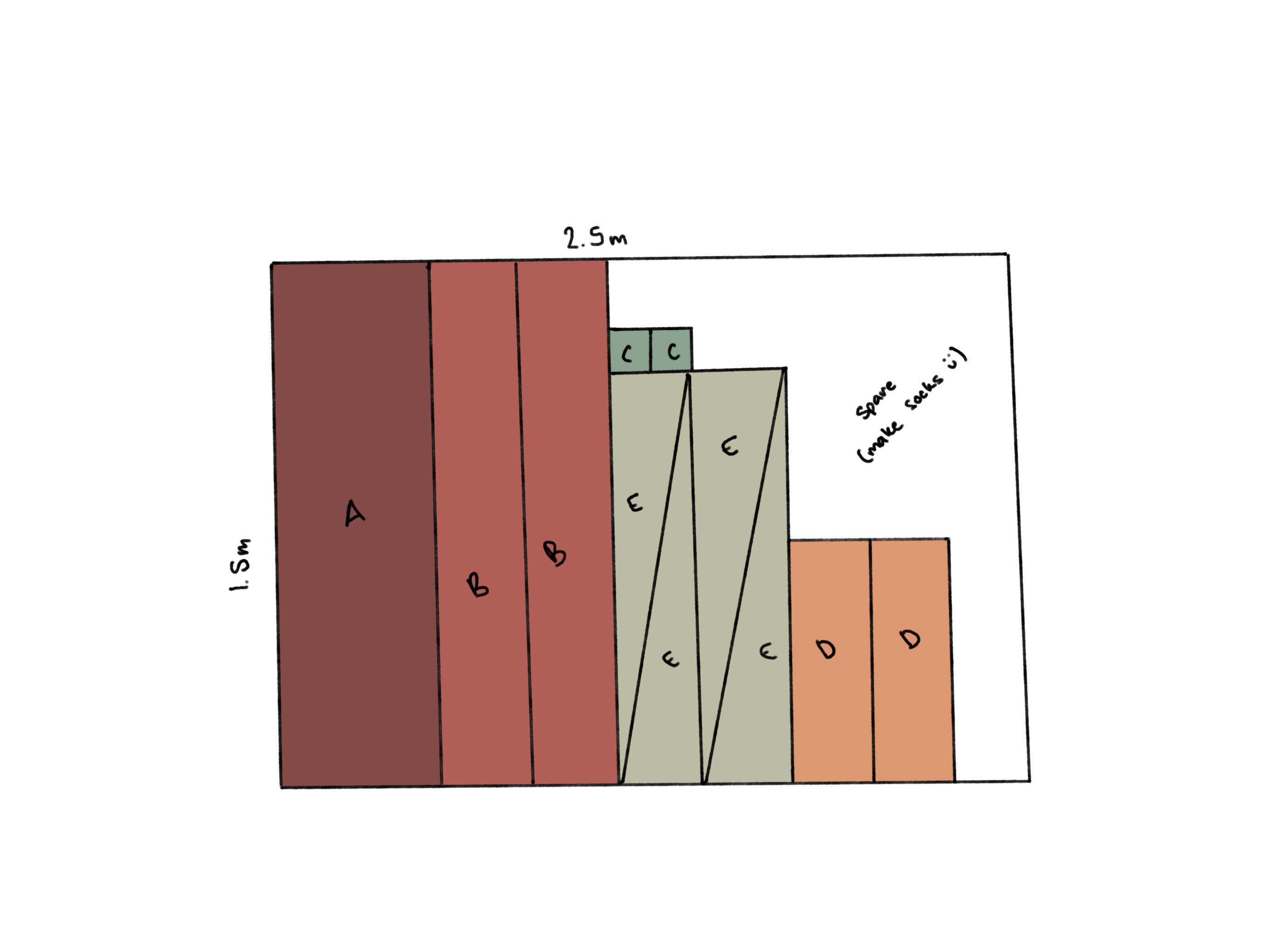
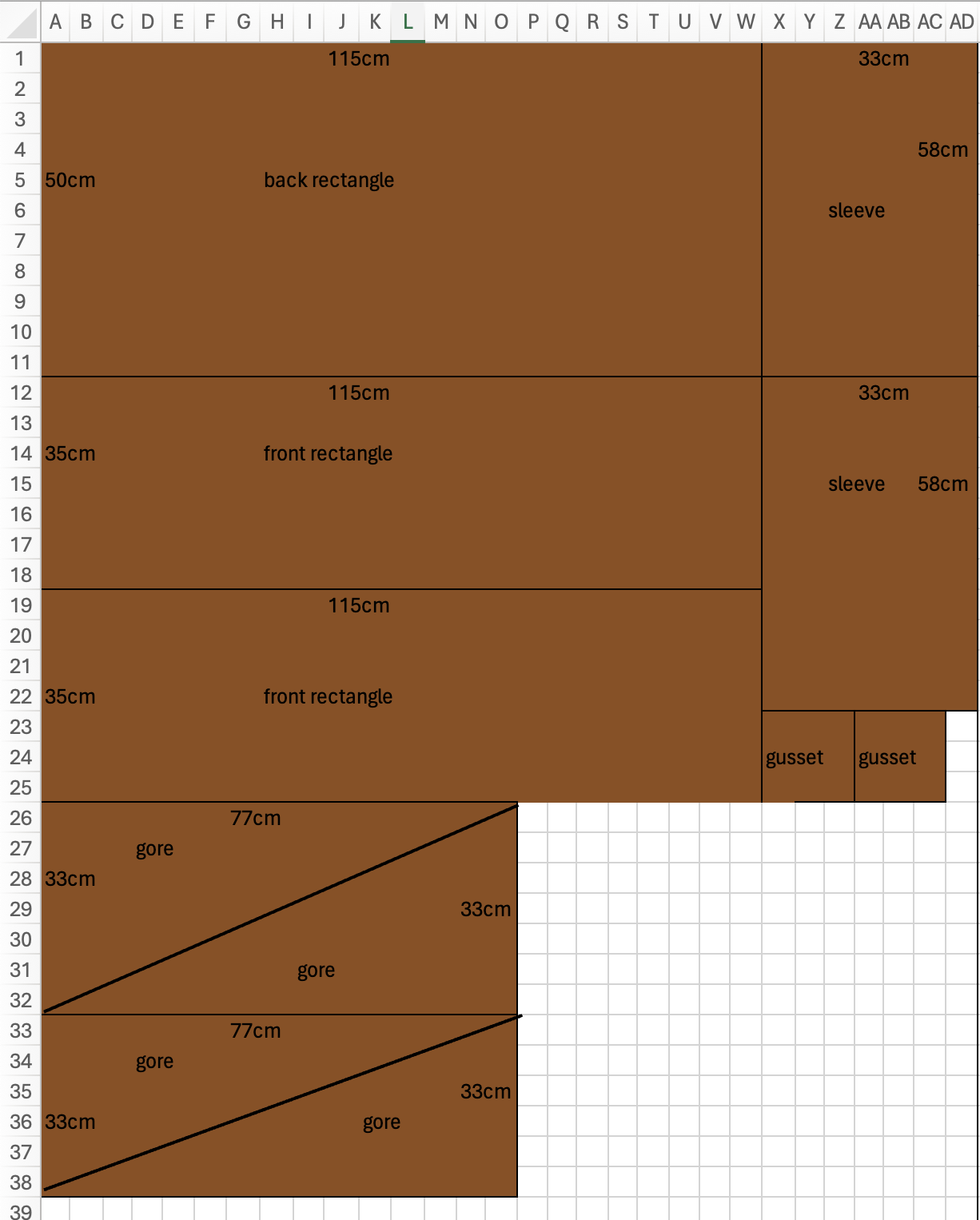
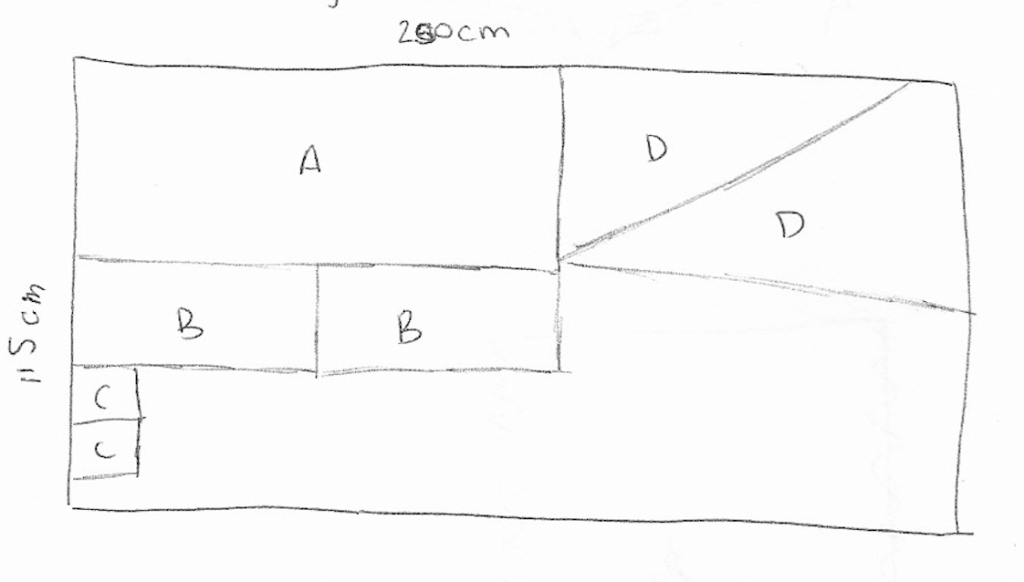
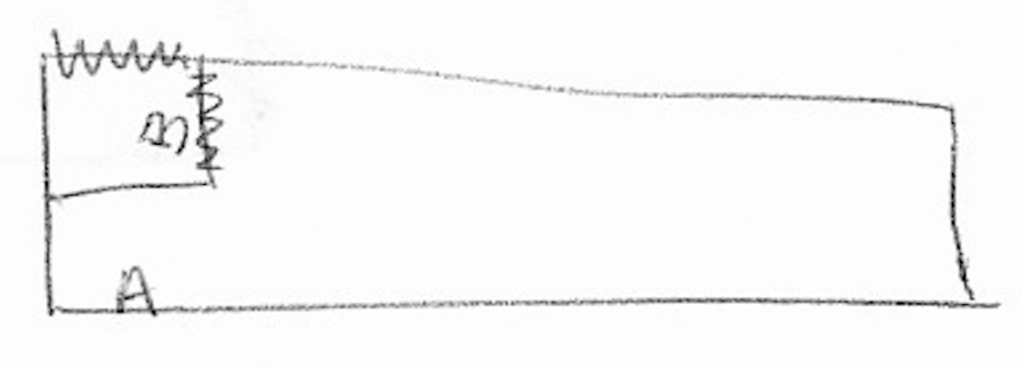
I have learnt a new trick for figuring out how to lay all your pattern pieces out for your project! And it uses Excel. Open up a spread sheet, and using your calculator divide the width of your fabric by 5. Whatever the answer is, is how many columns you will turn to squares, each square represents 5cm. Now do the same for your length. Then you can add the pieces of your pattern with your measurements in mind.
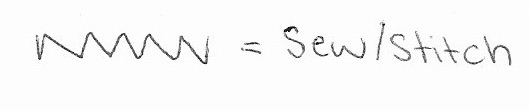
I have added both an illustration of the pattern layout and a screenshot of my excel sheet for reference. For this project I used wool that was 150cm wide and ordered myself 2.5m, although 2m would’ve been just fine for me!
Sewing
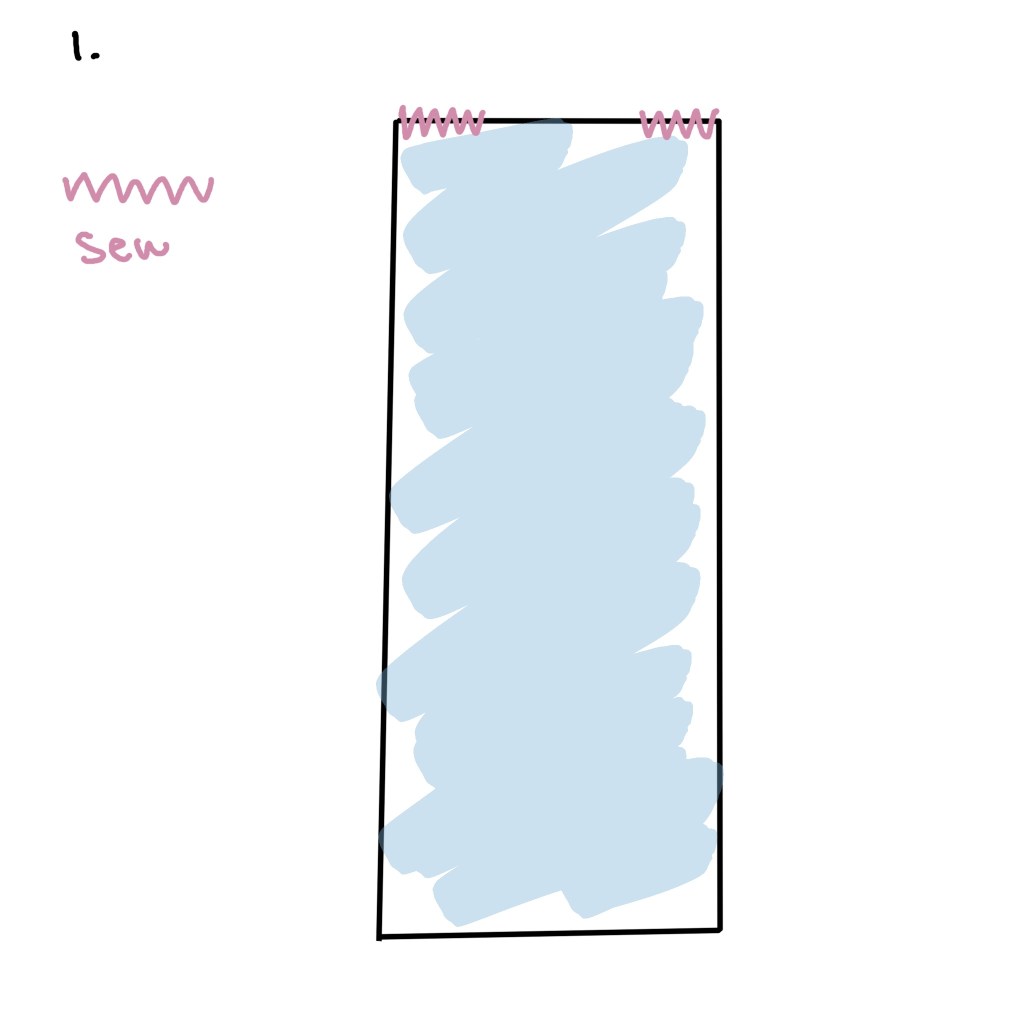
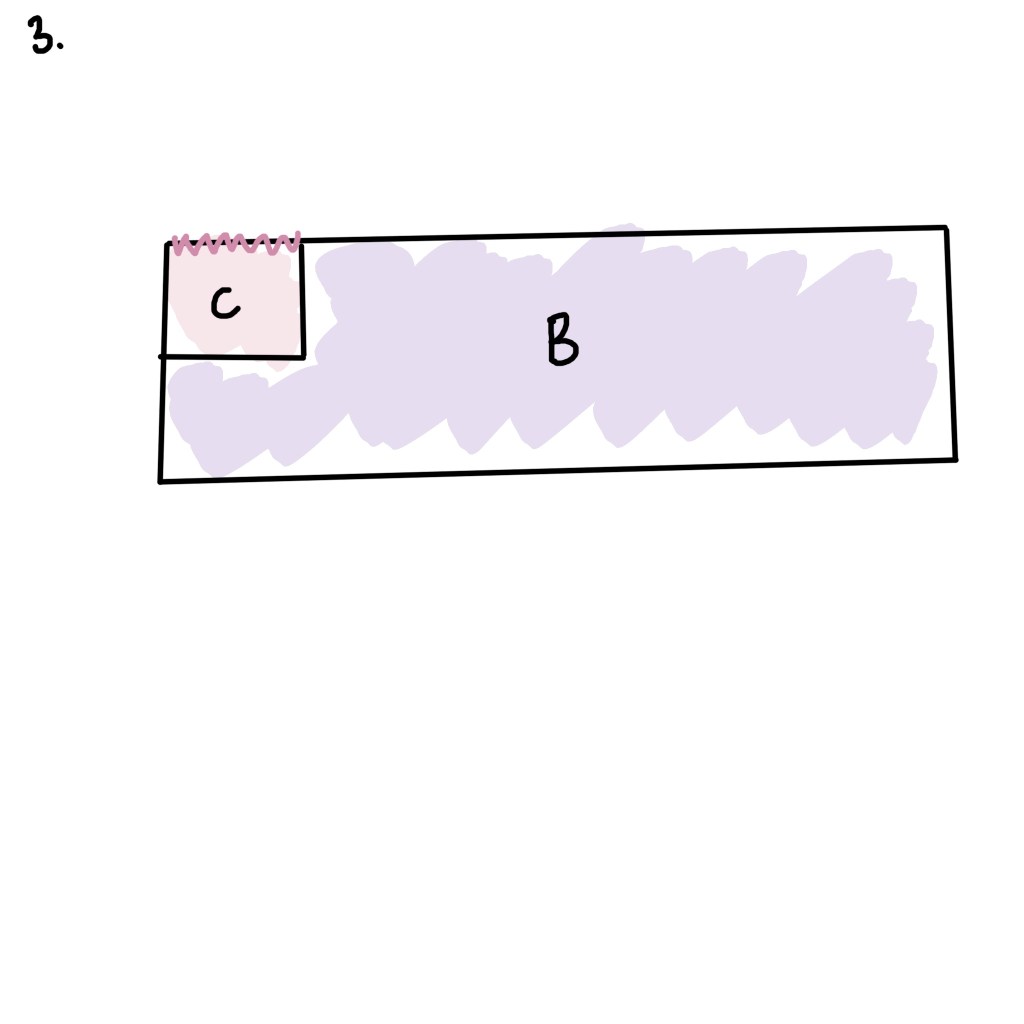
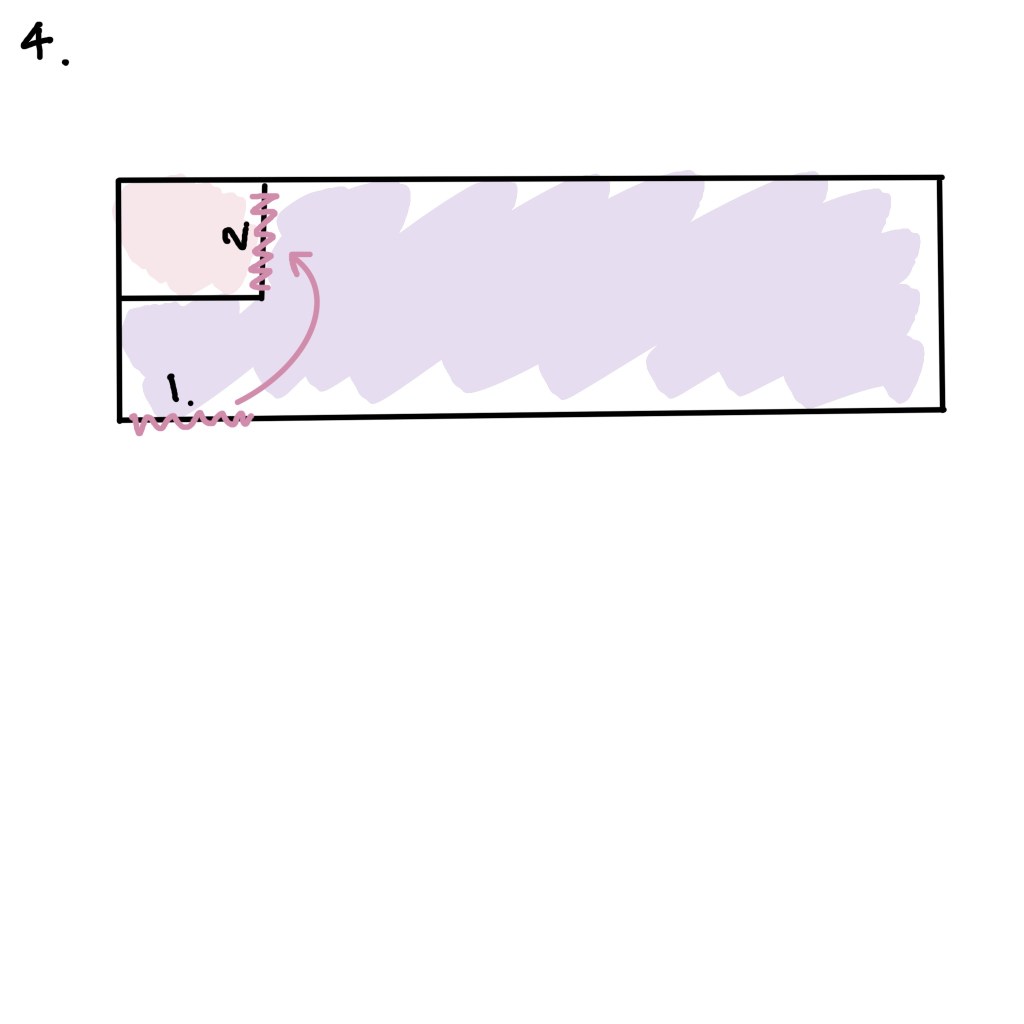
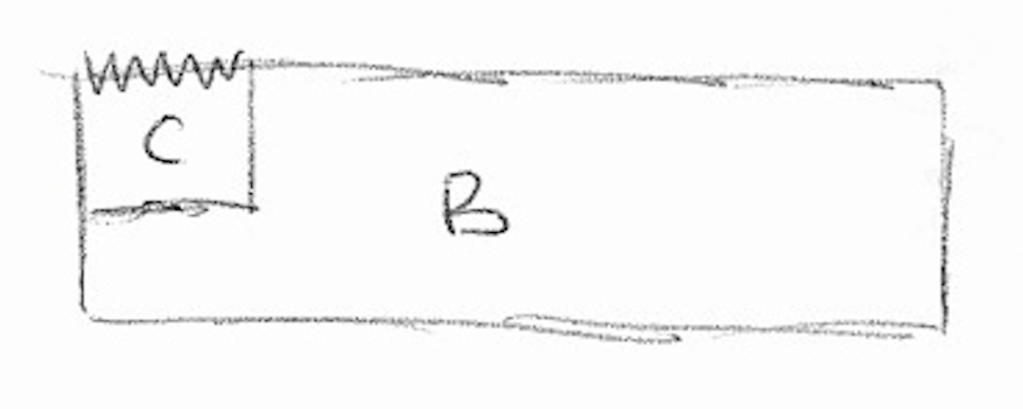
Step 1. To begin this project, we will be sewing the sleeves together. This will be done the exact same way as the Viking Dress. Begin by sewing one of your armpit gussets (I recommend between 12cmx12cm or 14x14cm for this) to one of the long sides of your sleeve.
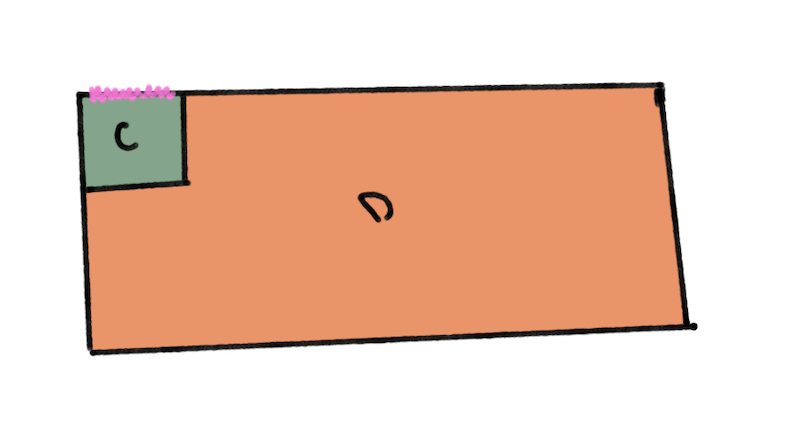

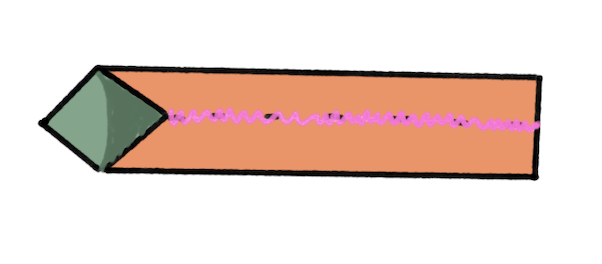
Step 2: This is a little tricky to explain… but sew the adjacent side of the gusset – the one right next to the one you sewed – to the other long side of your sleeve… there is a video for this on the viking dress tutorial. Once sewn, continue your stitch so it sews both long sides of the sleeve together
It should look like this when it’s laid flat.
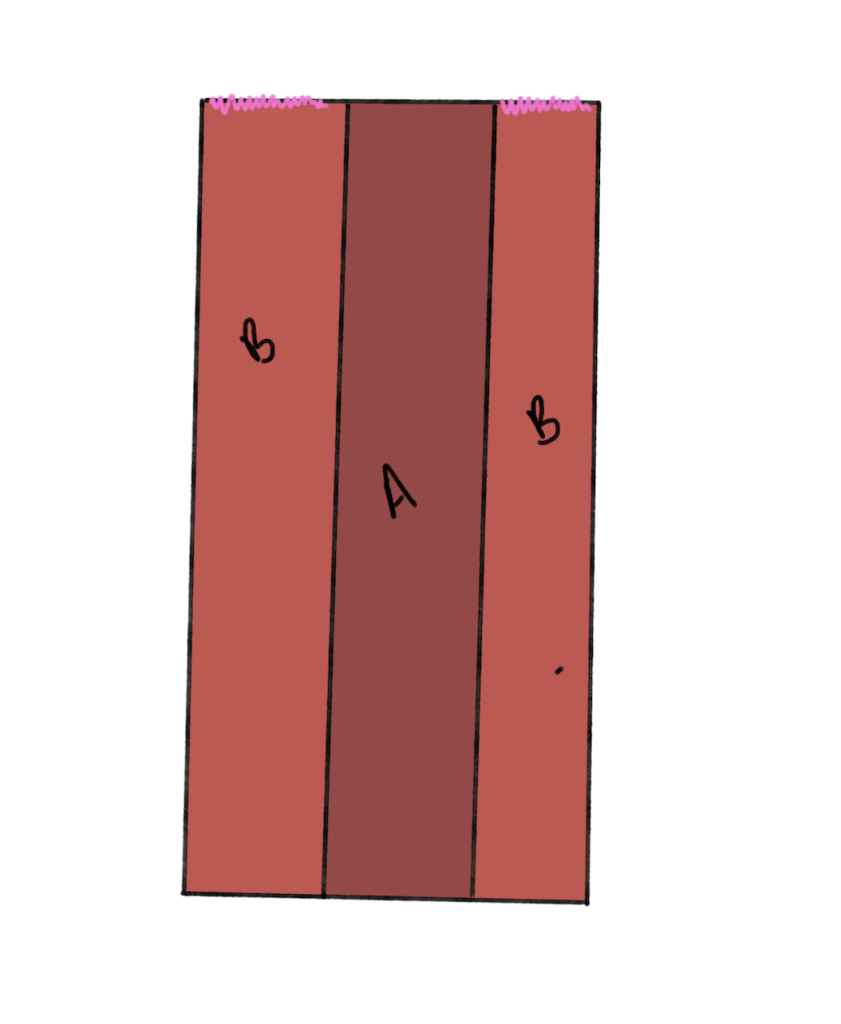
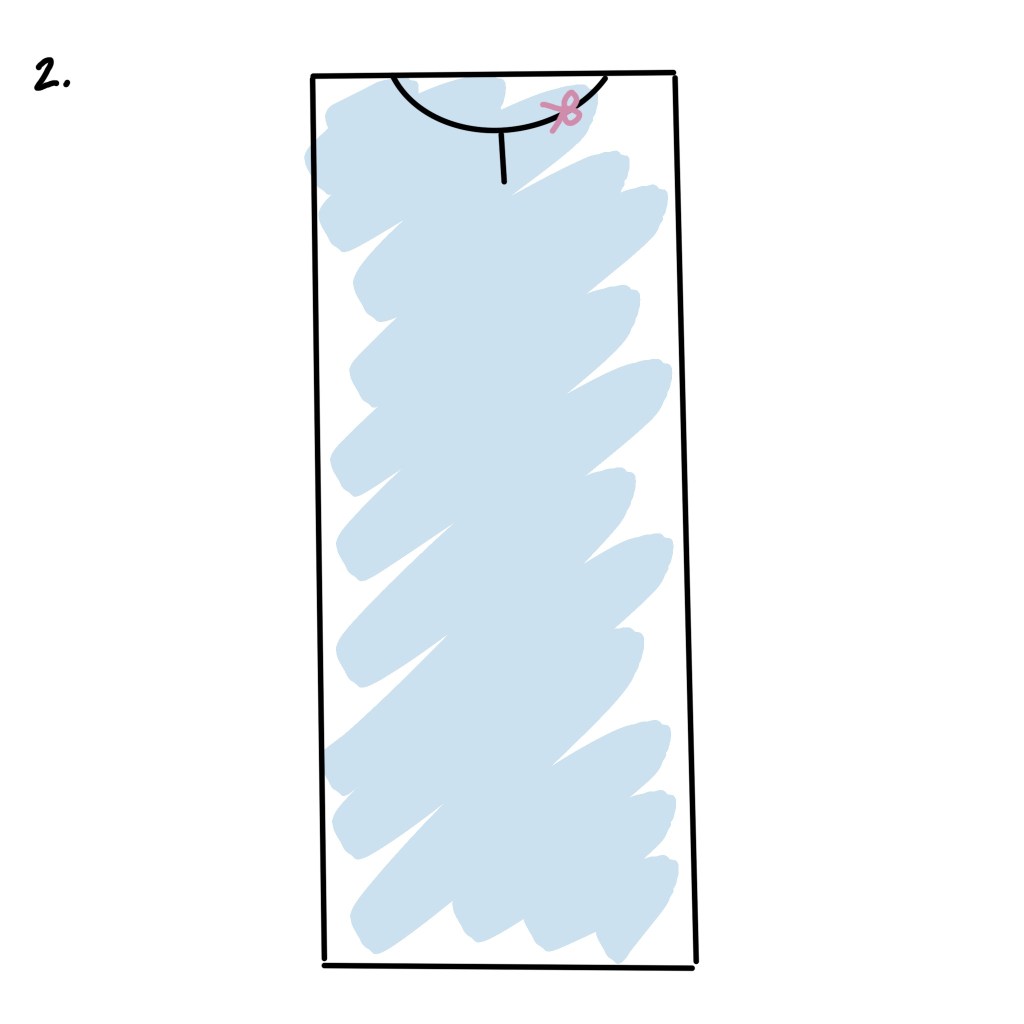
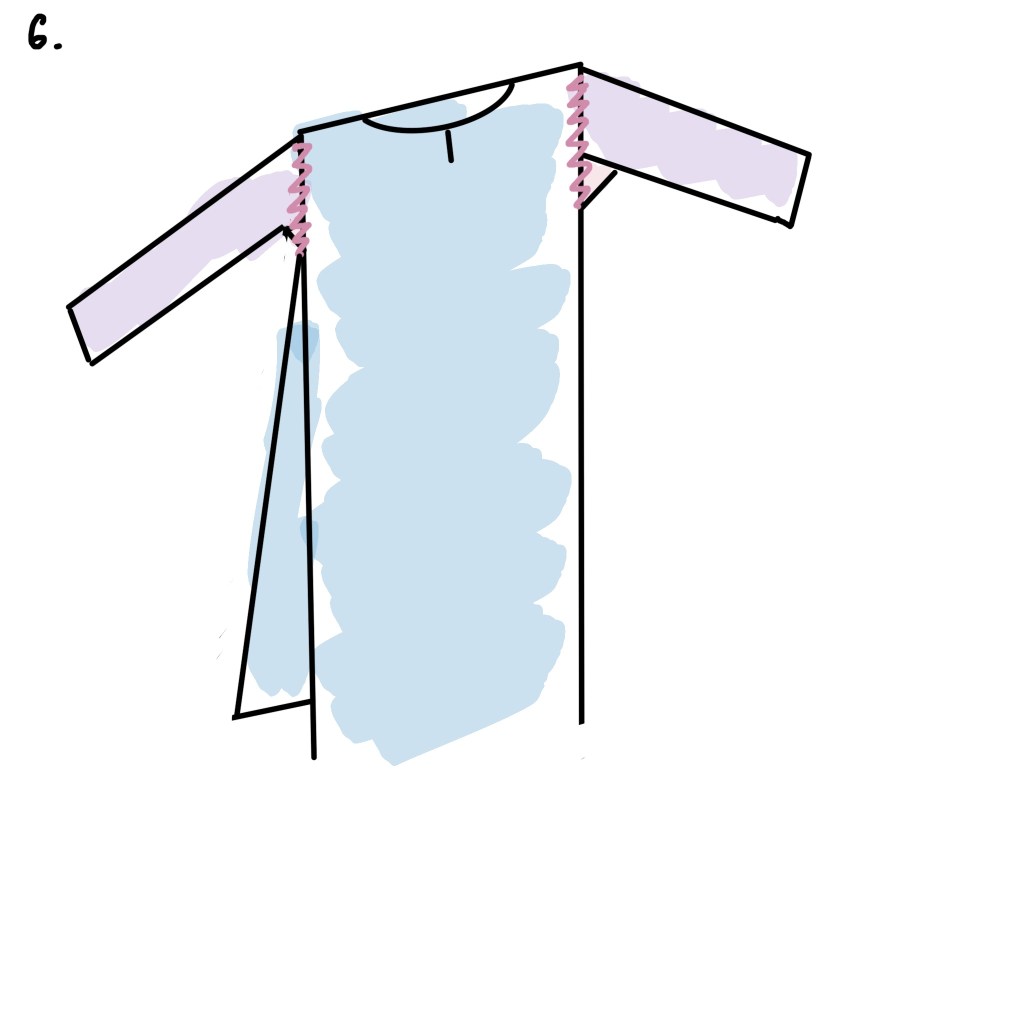
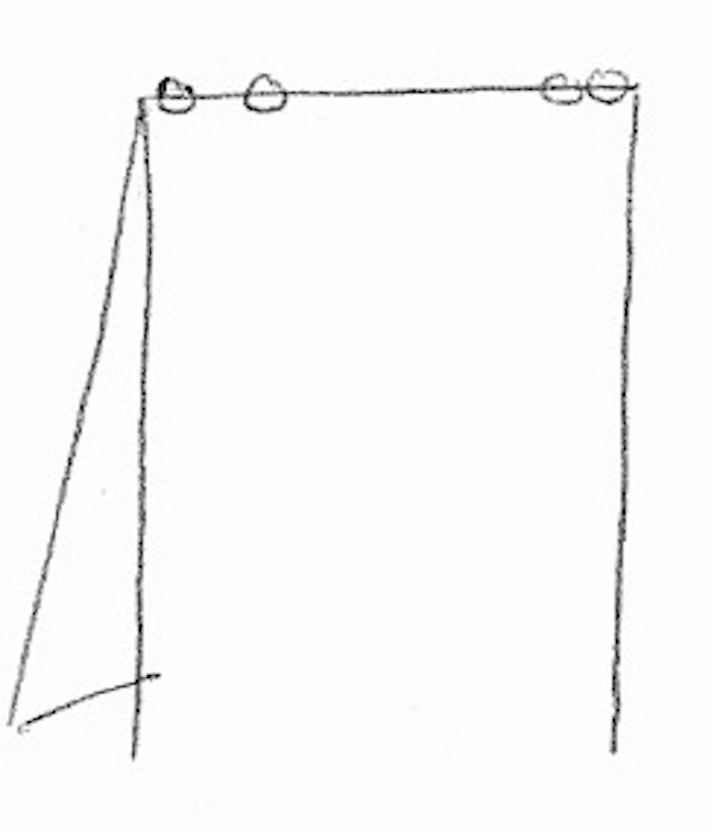
Step 3: Sew your shoulder seams by attaching both of pieces B to piece A. It should look like this if you’re trying it on:
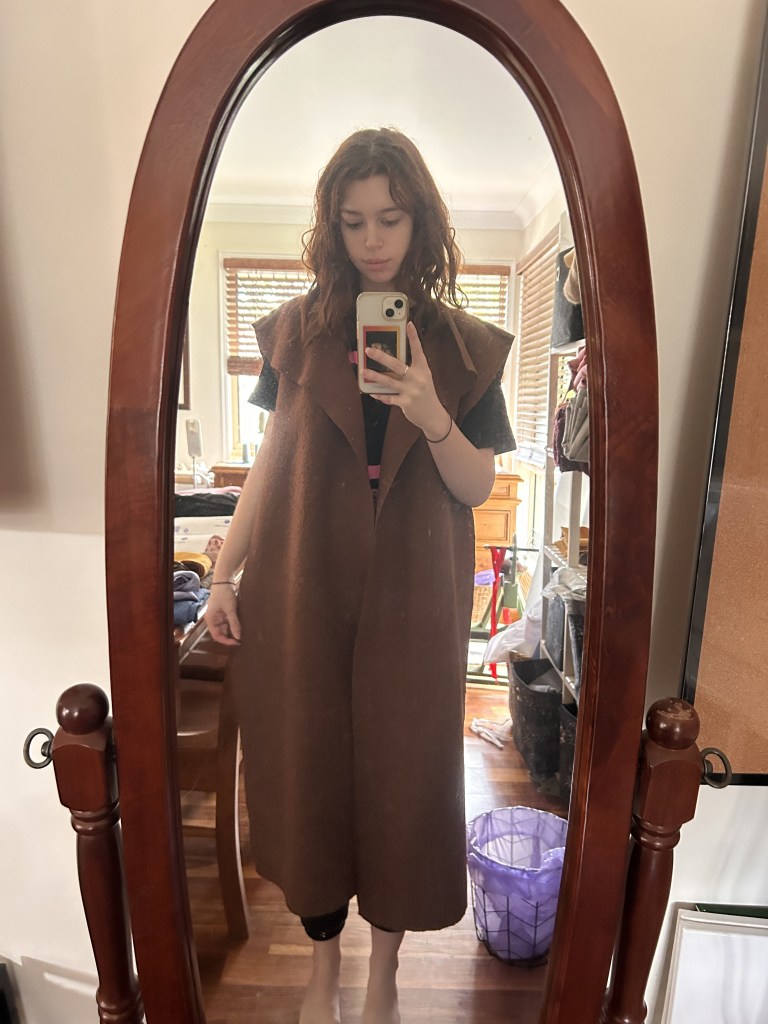
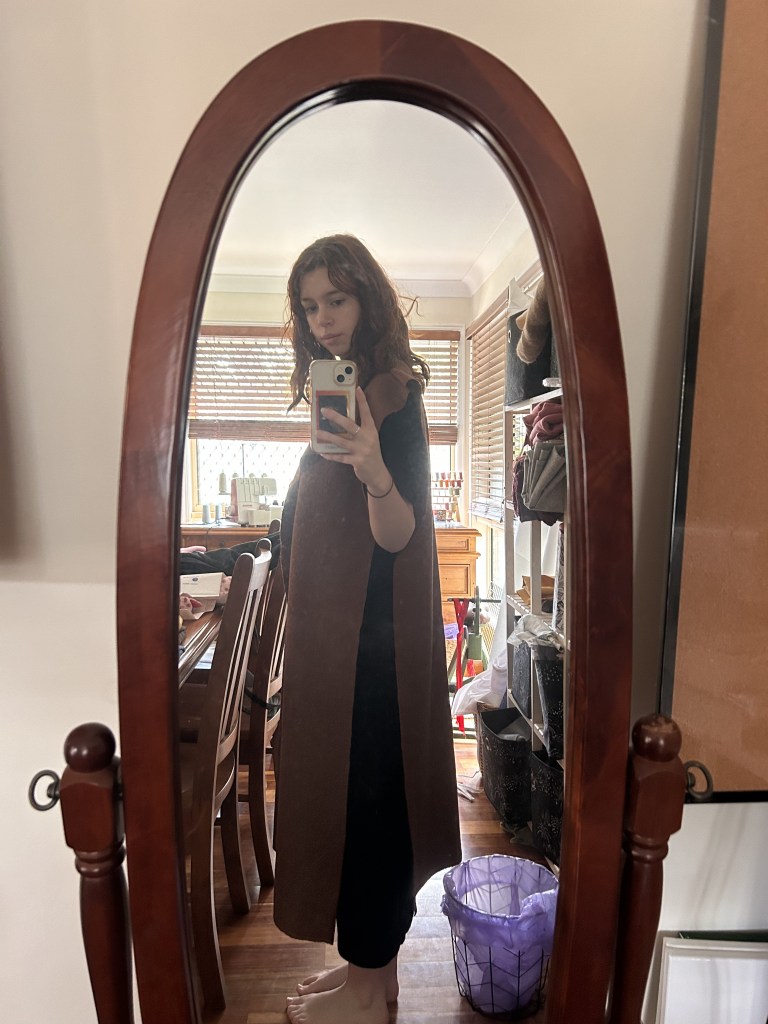
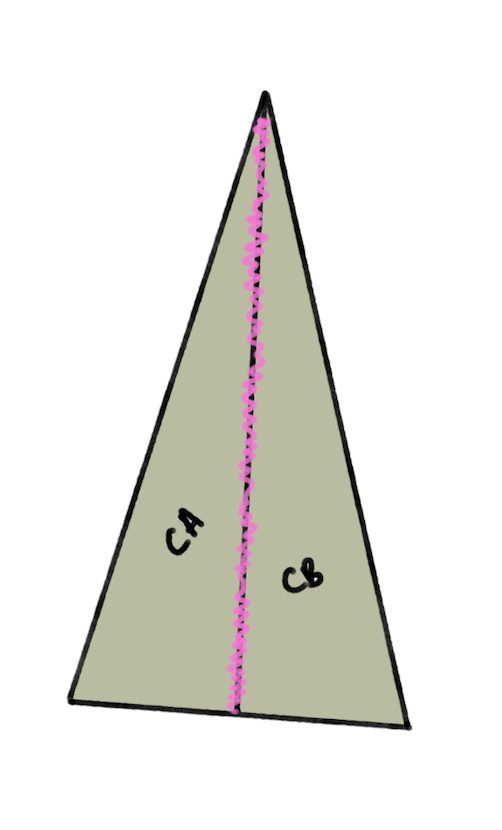
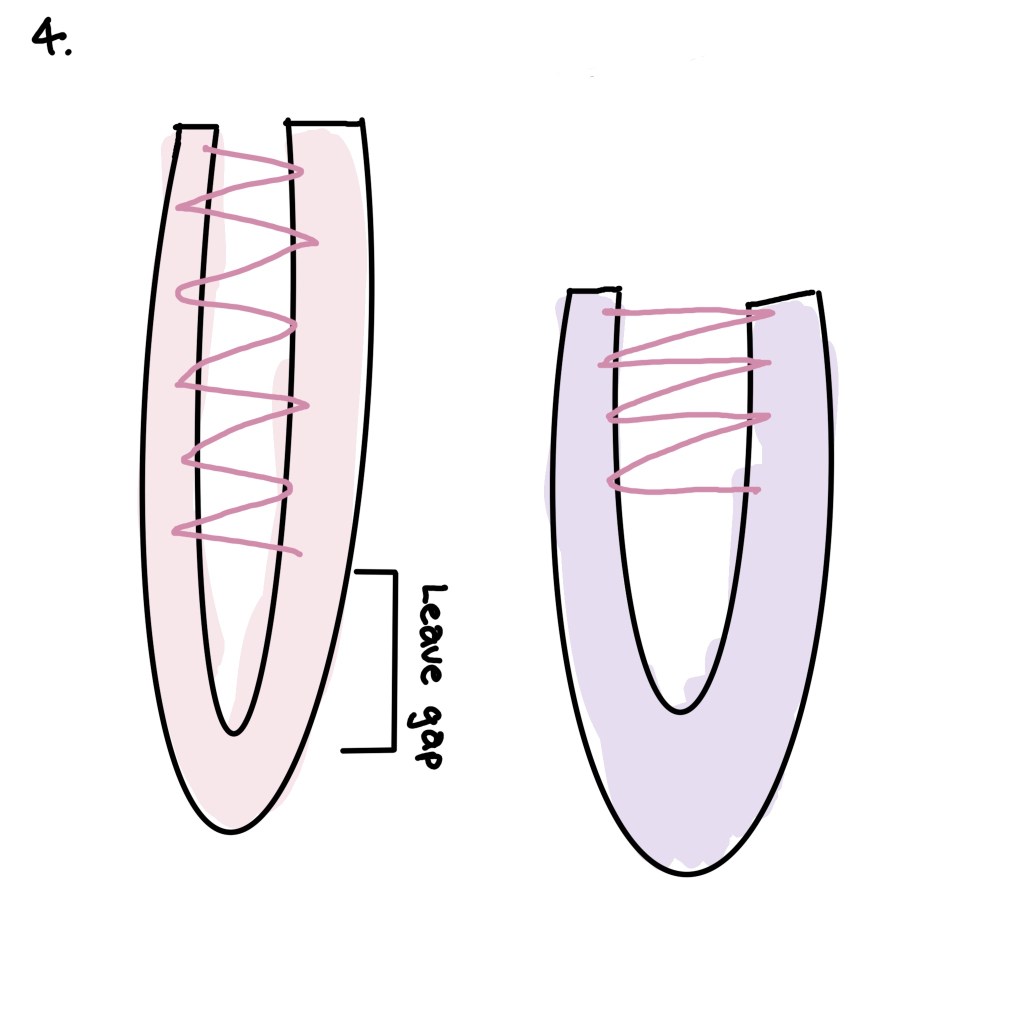
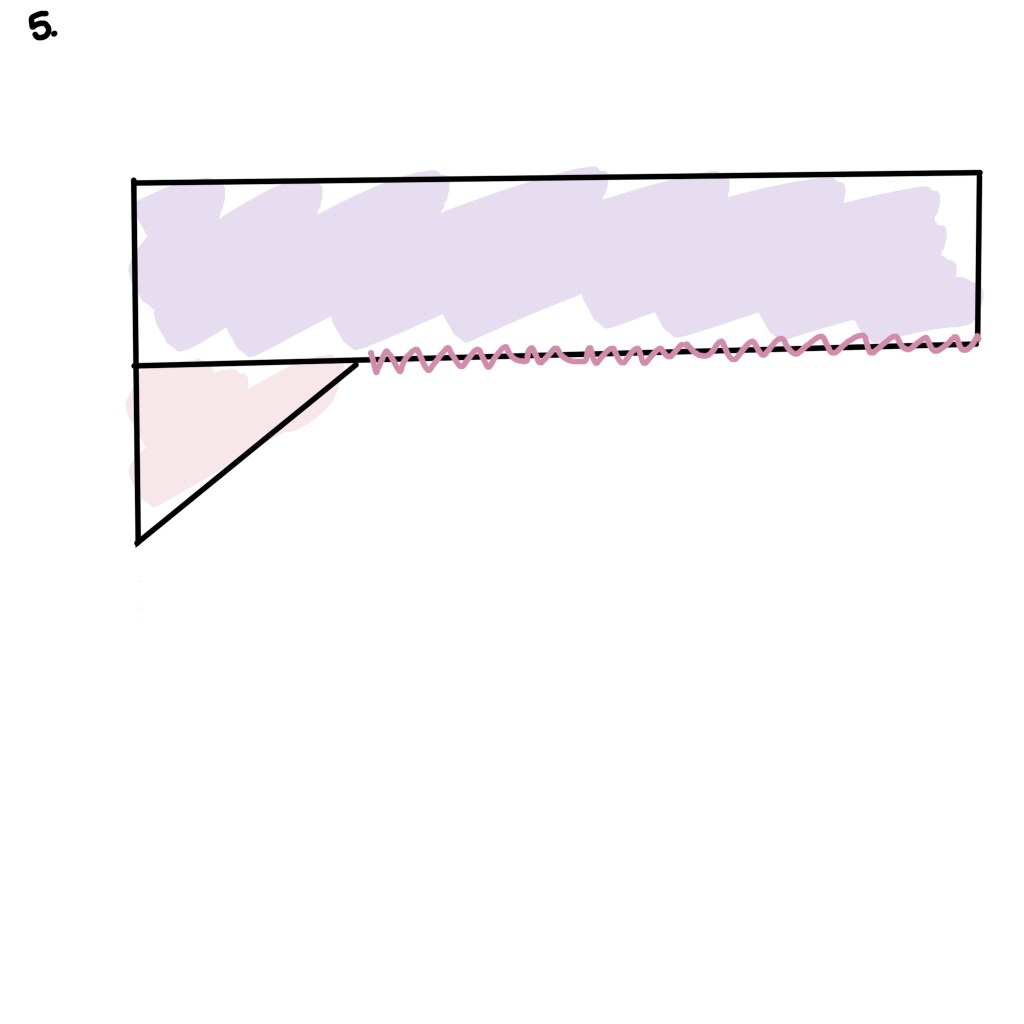
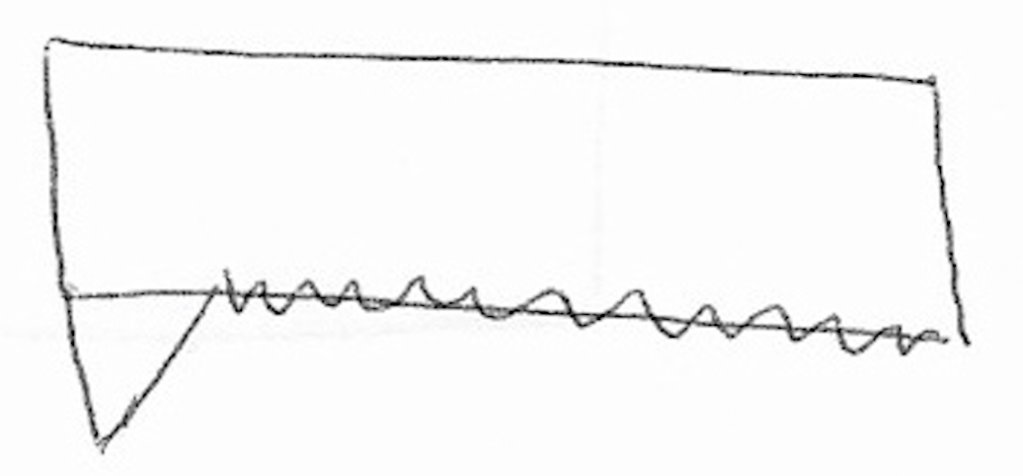
Step 4: grabbing your half gores, sew them together along the straight edge, so you have two full triangles.
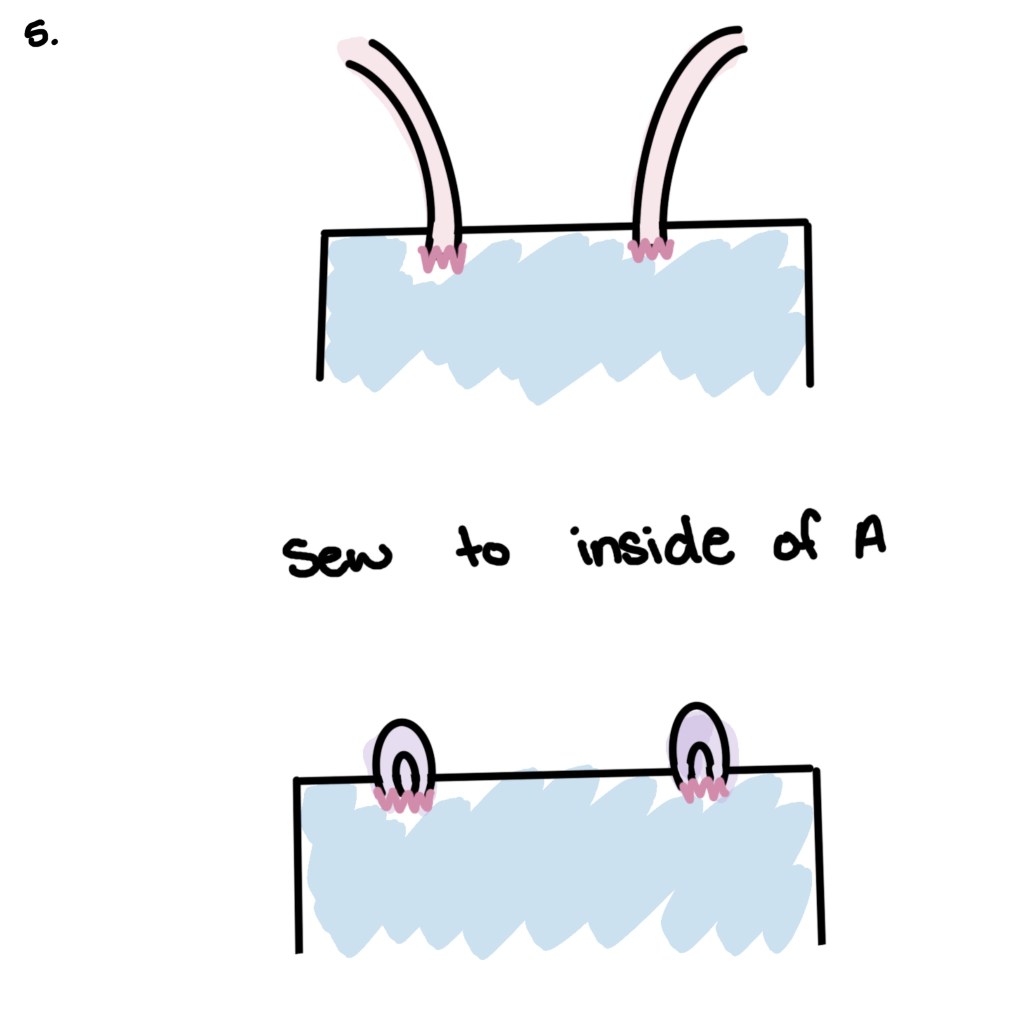
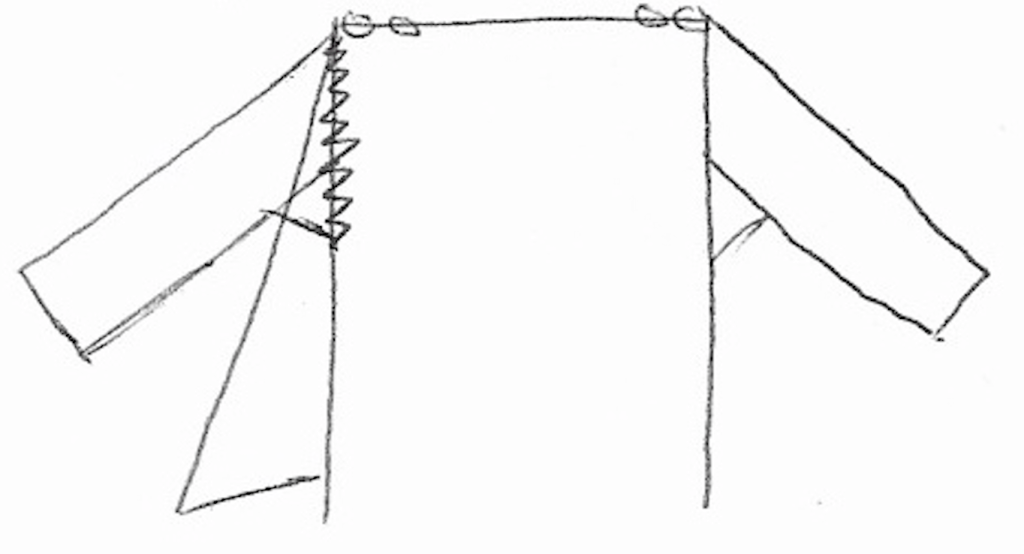
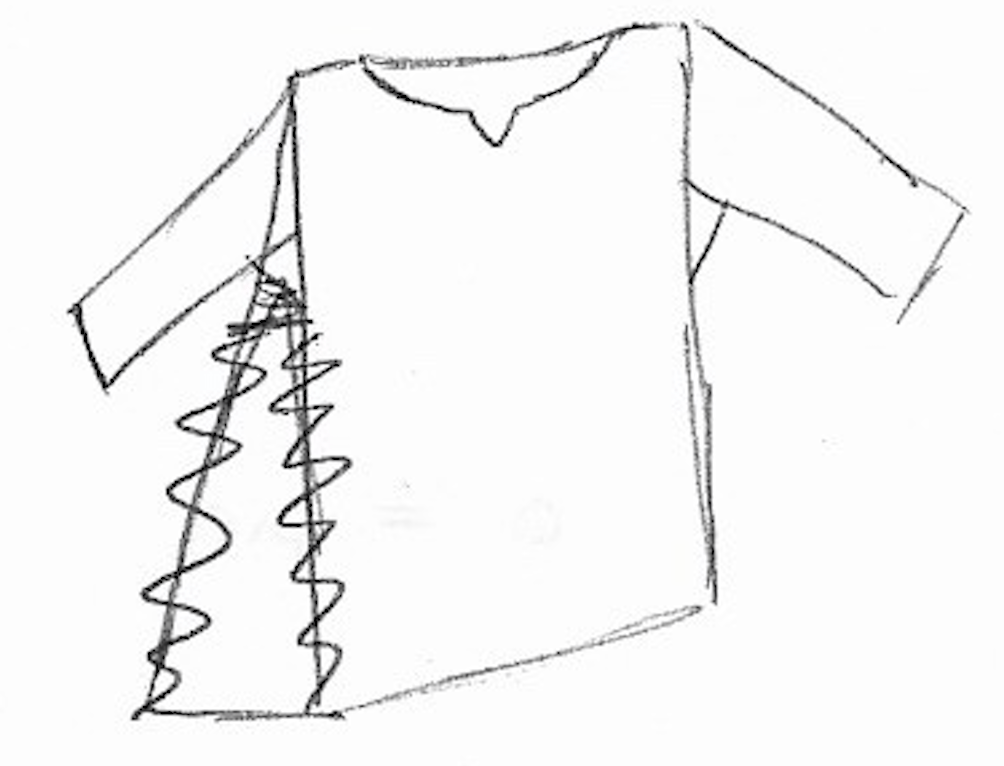
Step 5: we will now attach this gore to pieces A and B. Sewing up the side a little bit, but not too much. It should look like this:
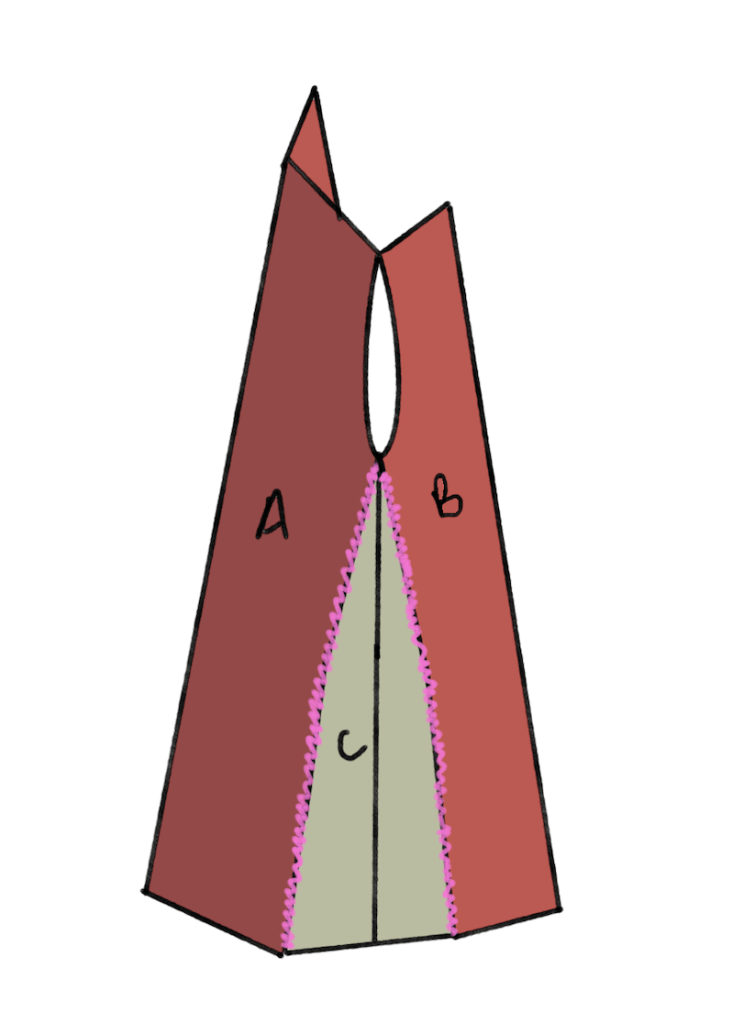
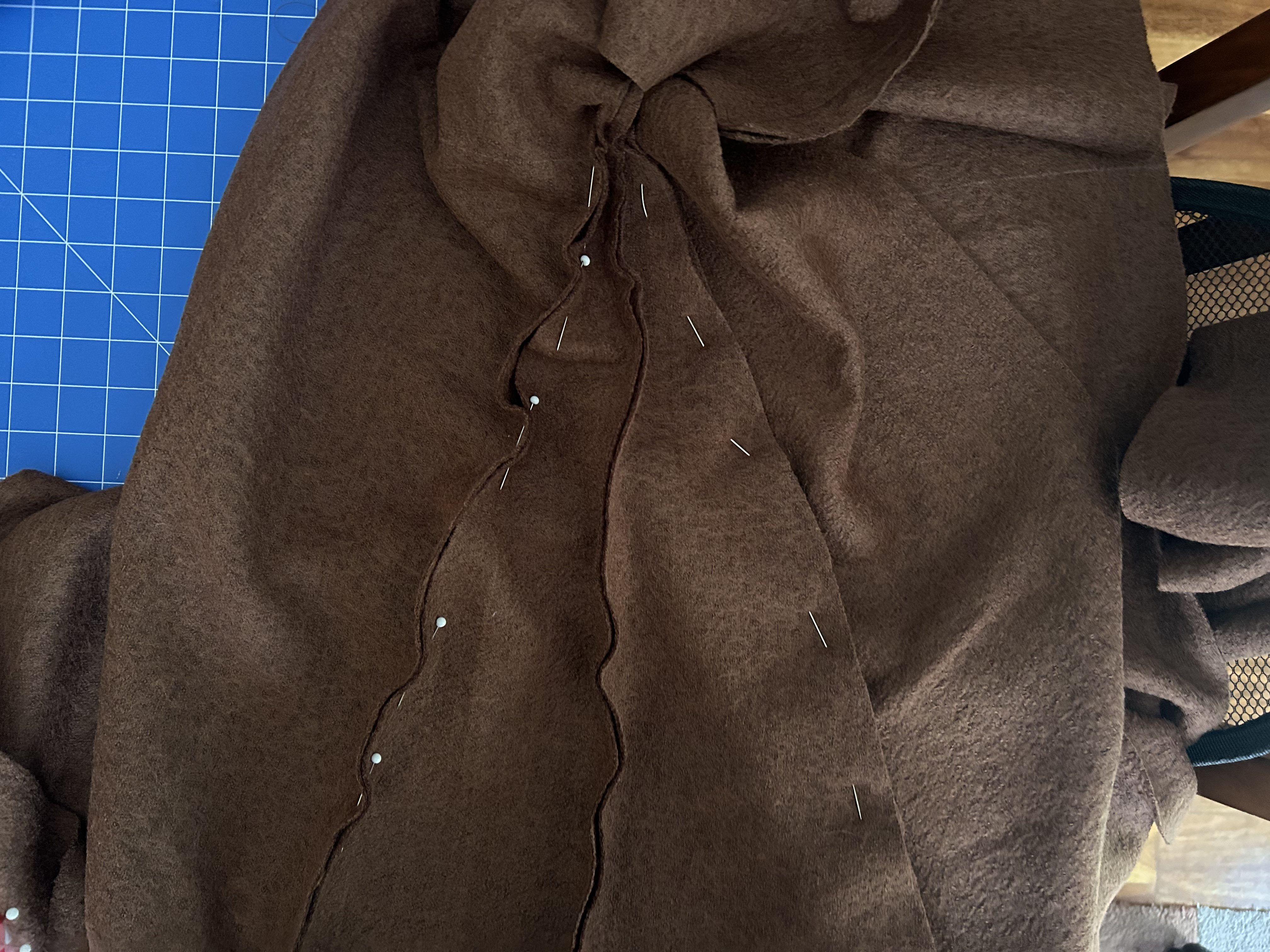
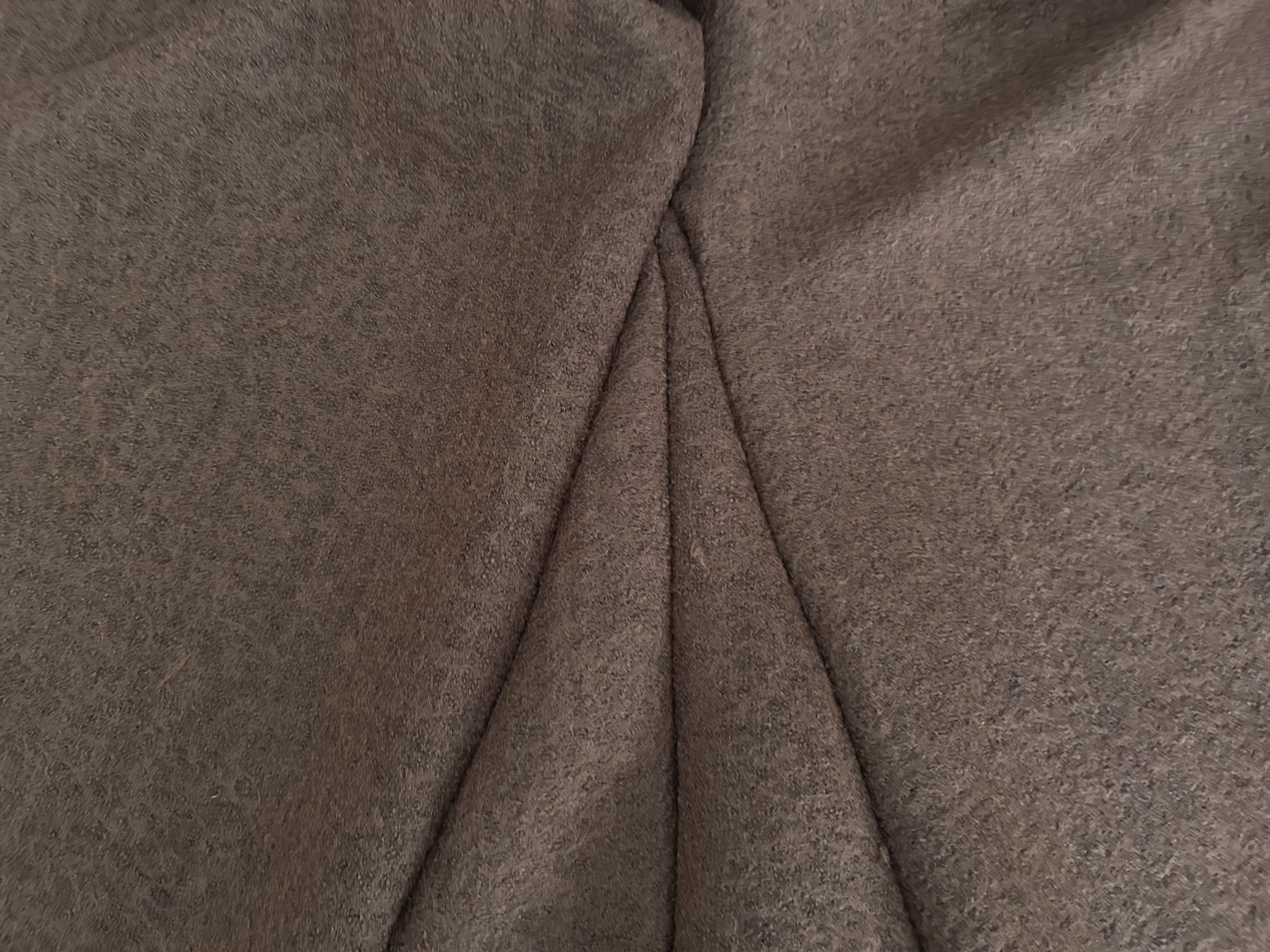
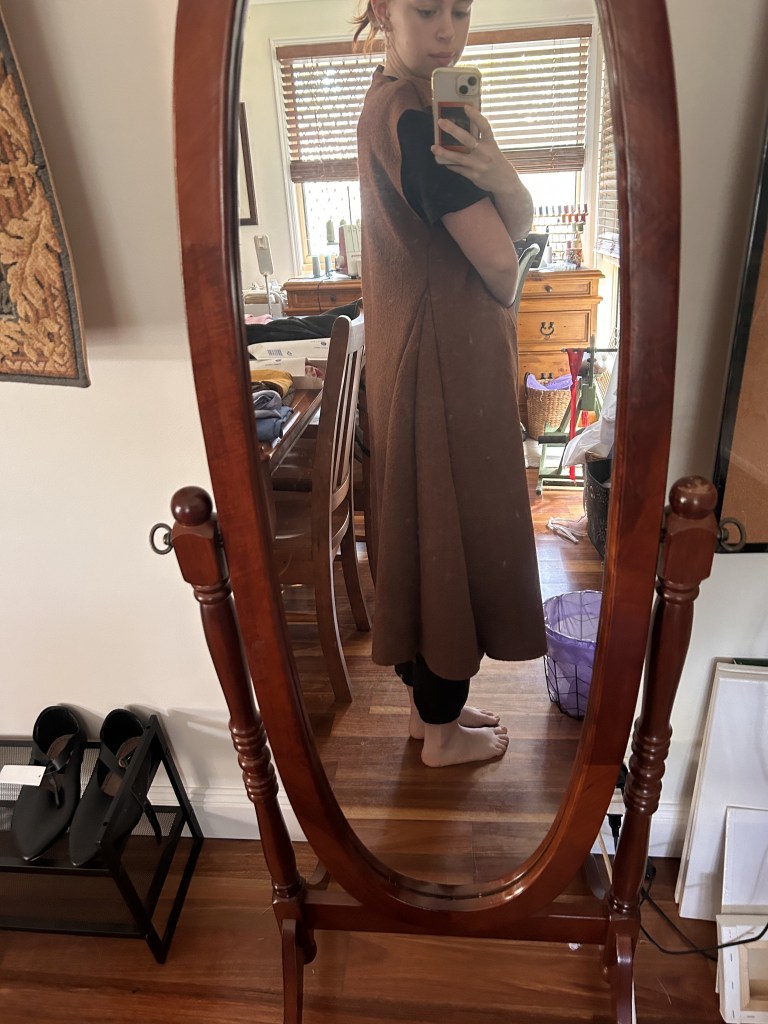
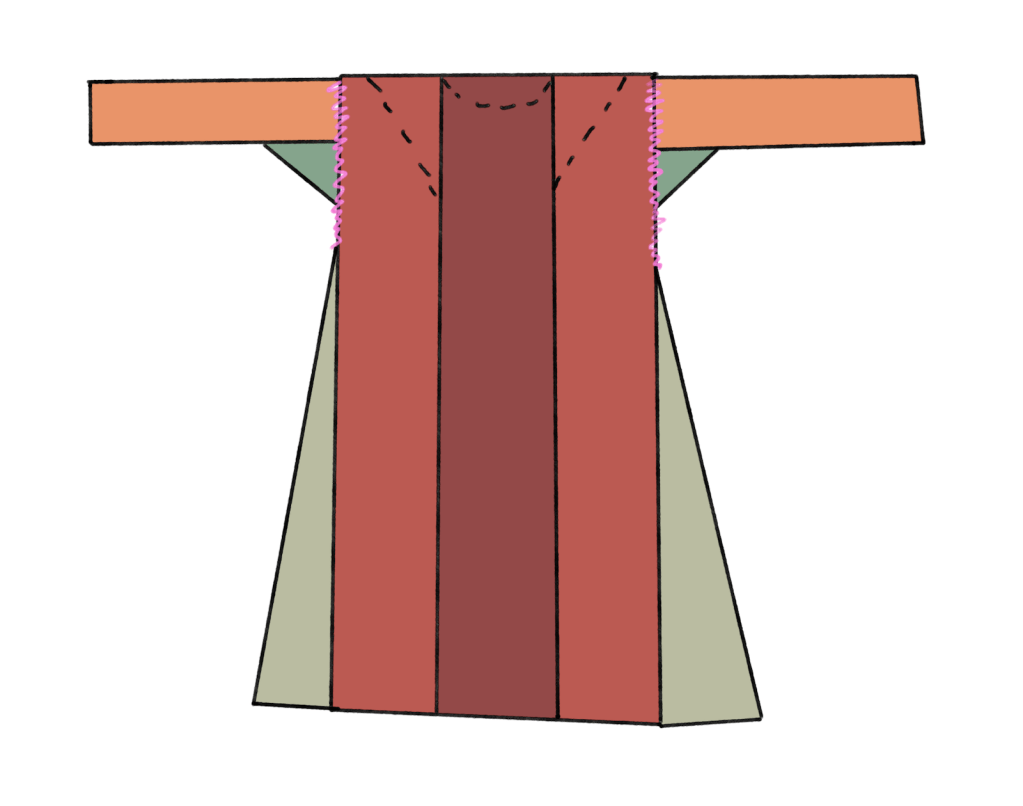
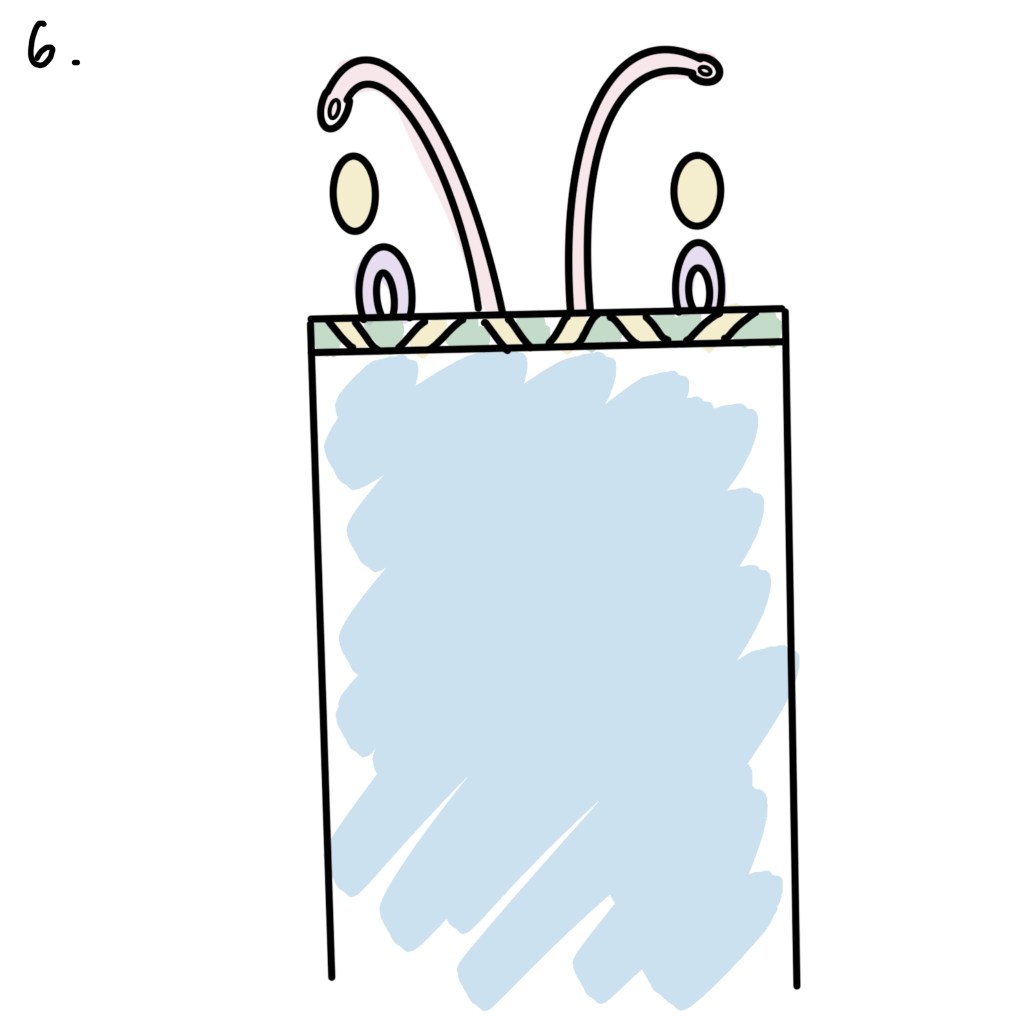
Step 6: Now to add the sleeves. Slide them in so right sides are together, and pin around the edge of the arm hole and sew. When finishing the sleeve, be sure to close and gap present on the side.
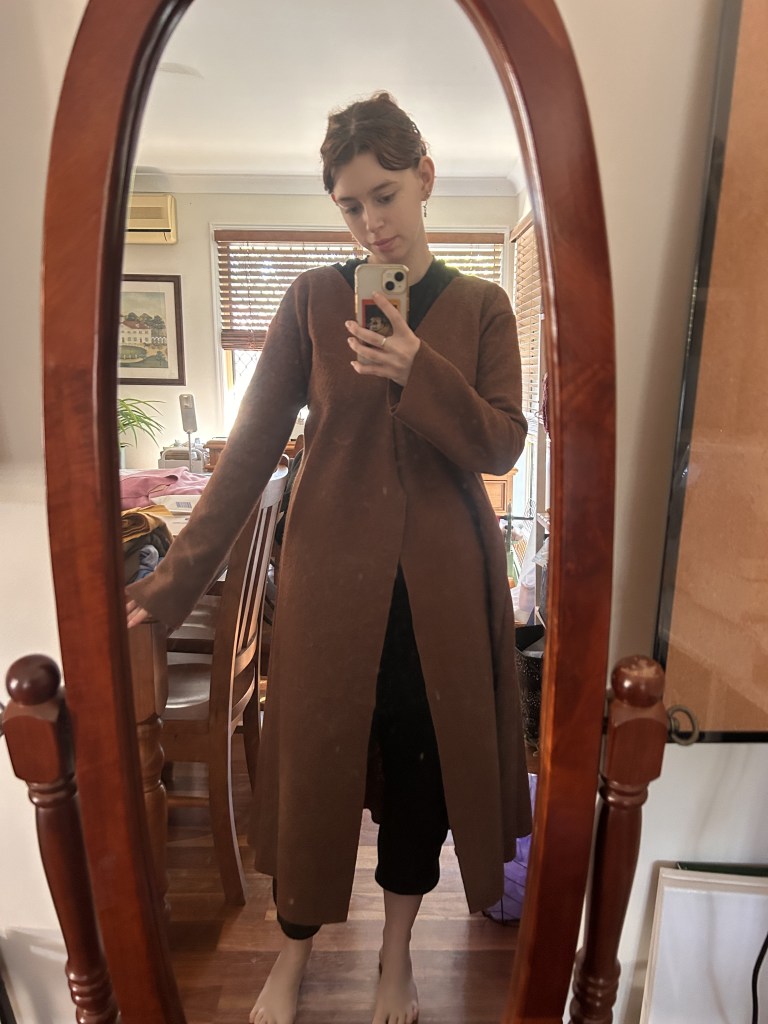
Congrats! You’ve constructed your coat! Now to finish it off and make it look pretty!
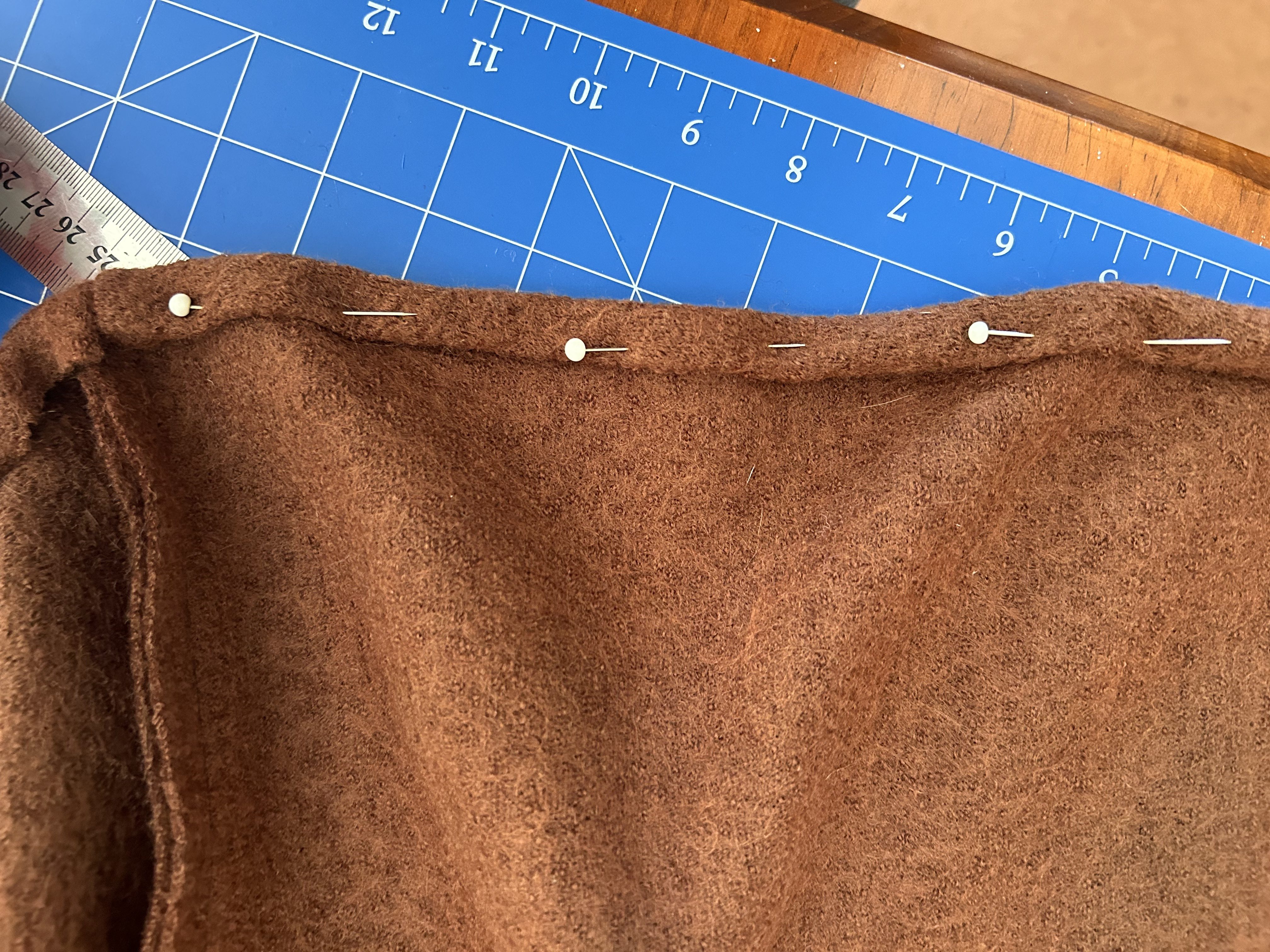
Step 7: The hemming. This bits easy so don’t worry. Simply roll the raw edge over twice, pin then sew! I did this all in one go, starting at the bottom of one end of the coat.
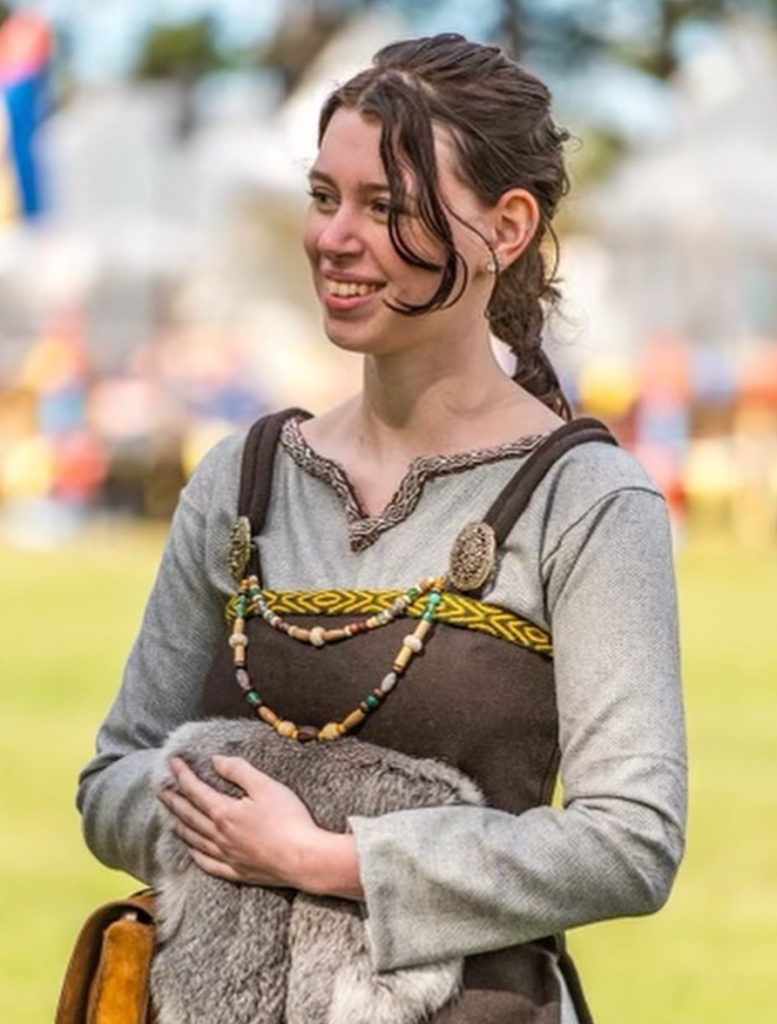
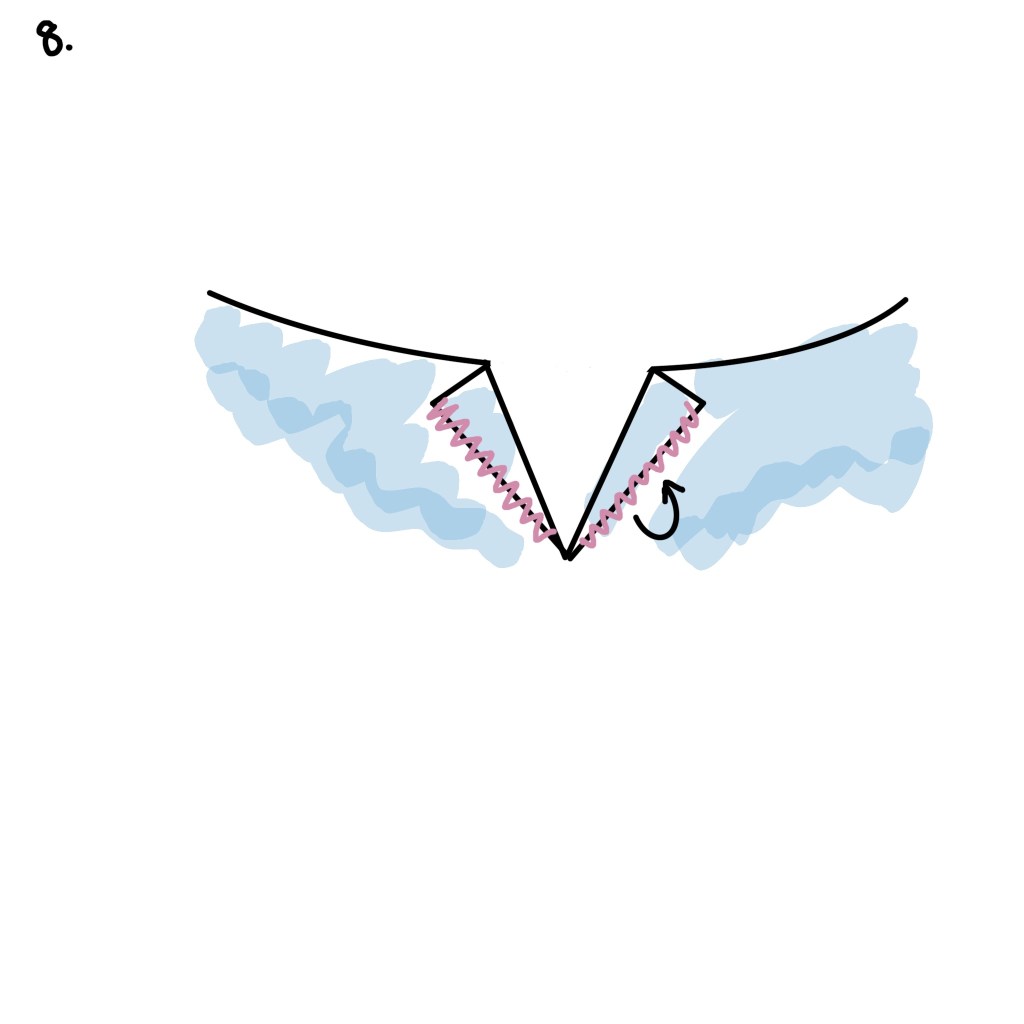
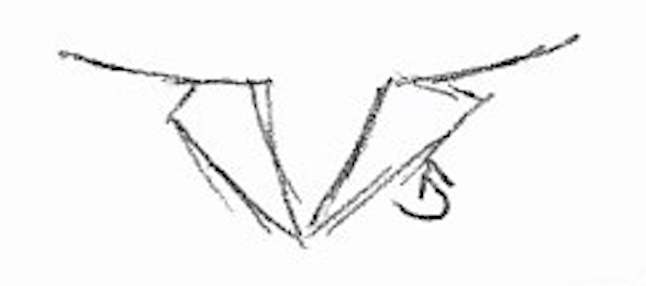
That’s it your done! Unless you want to do the optional step 8 of adding in some tablet woven trim (I get mine from GewandUndTand on Etsy) along to front! Close it off with a brooch and you’re ready to hit the town! (You can also wear this as an oversized cardigan too)
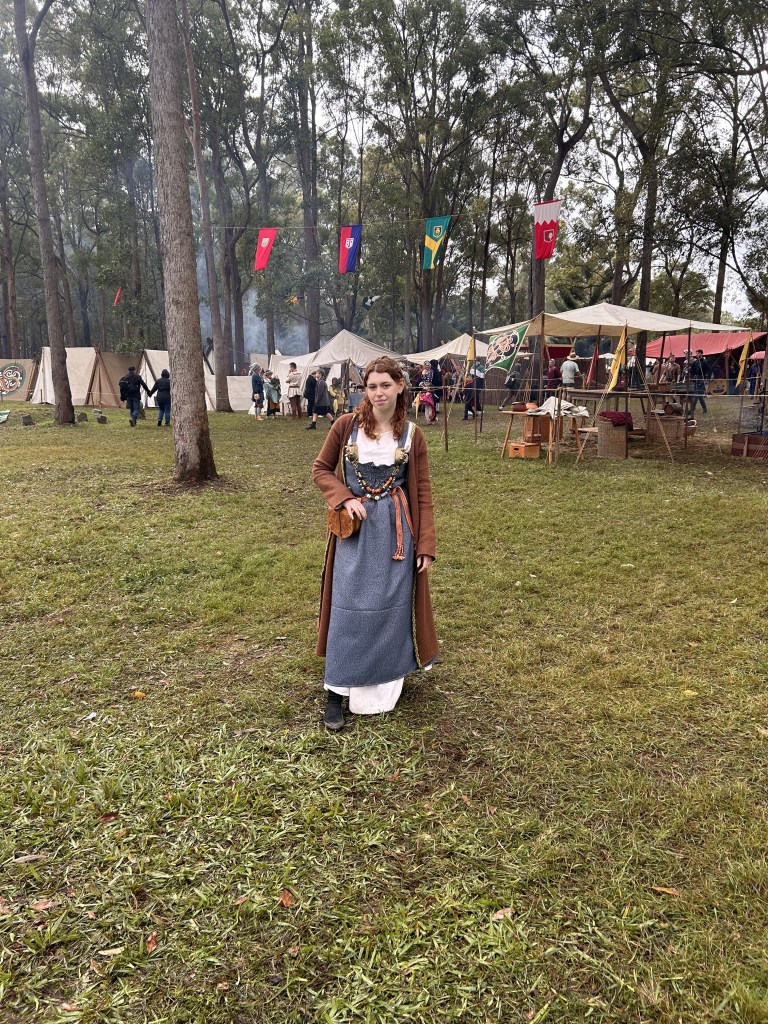
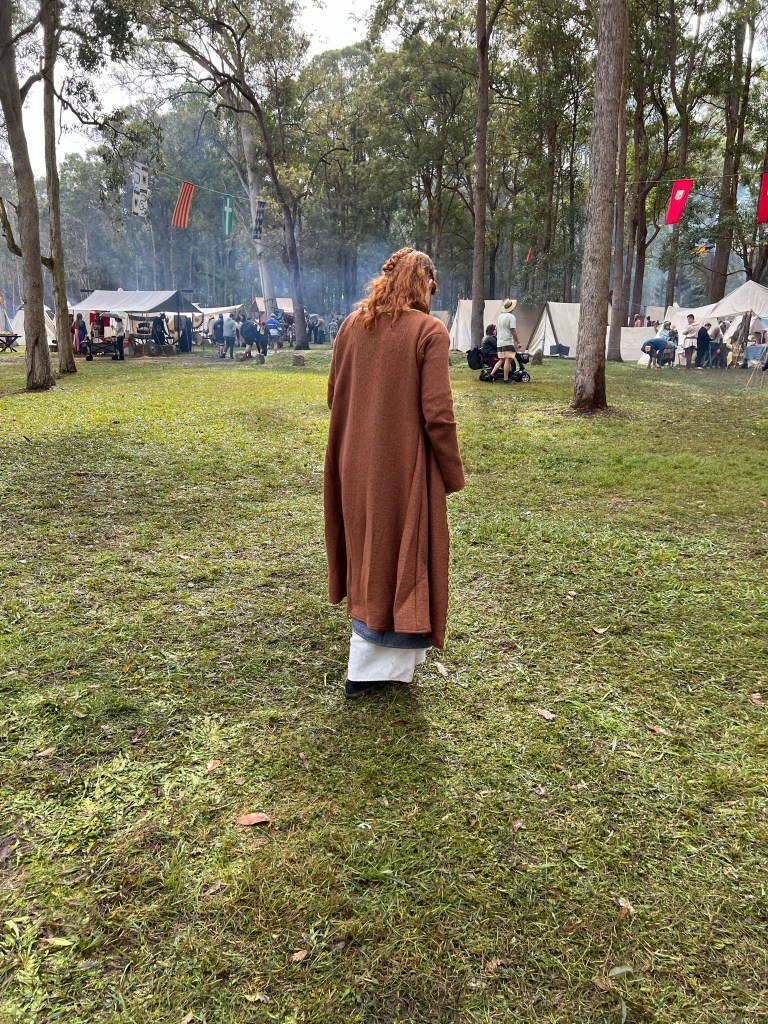
I would love to see how your coat turned out! So be sure to tag me on instagram @medievalmusgrave. I’ll see you in the next one (which will hopefully be soon). Happy sewing!










 Medieval Musgrave