
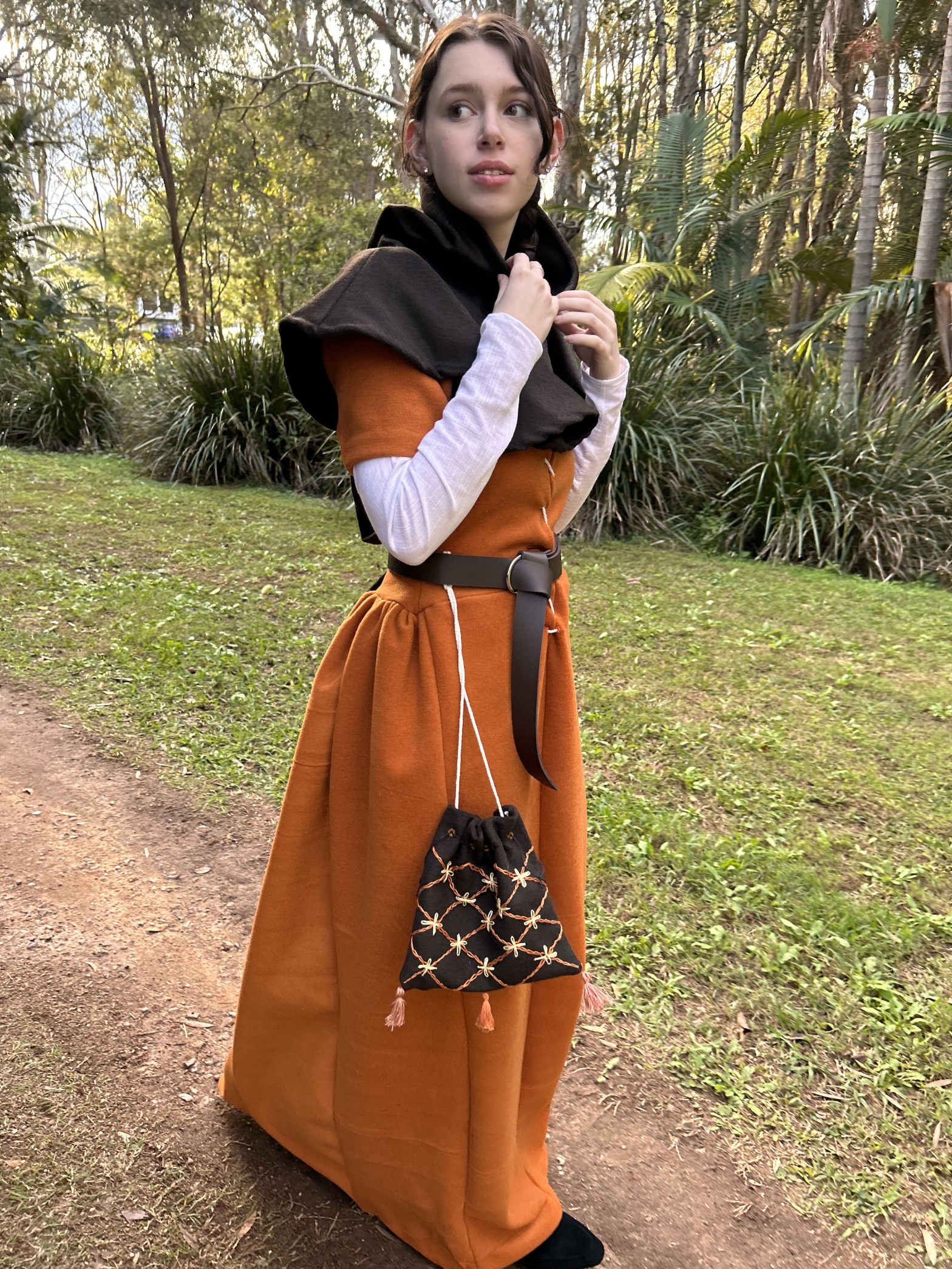
Hello! Welcome back! Today I will be showing you how to create a 15th century kirtle, without having to draft up your own pattern. AKA I was lazy and on a time crunch for this dress and decided to play a dangerous game, but I won. So I’m going to show you how!
Brief History and Artwork
The 15th century or 1400’s, is where we start to see a real change in medieval clothing. Clothing is fitted, women preferred a short sleeved kirtle with the option to pin on a long and often decorative sleeve, necklines became lower, and everything was becoming a lot more fancy.
Wool was still one of the most popular fabric choices for the common folk, along with linen for wimples and chemises. While the poor were left with the wool, the wealthy adorned fine patterned silks with rich colours.
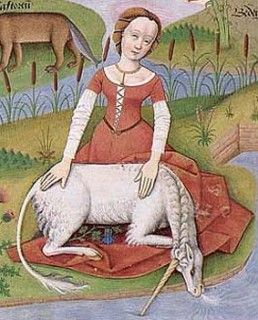
Lacing also became popular at this time. Front and side lacing was reserved for those who didn’t have someone to assist them with dressing (the poor) while the rich would have back lacing.
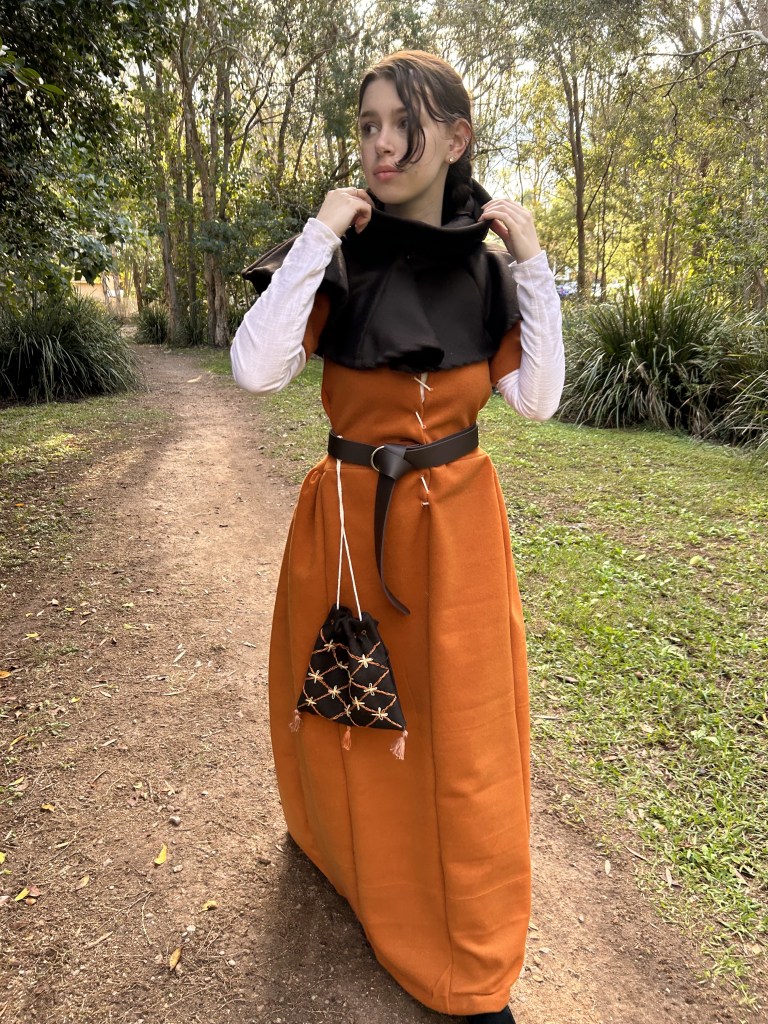
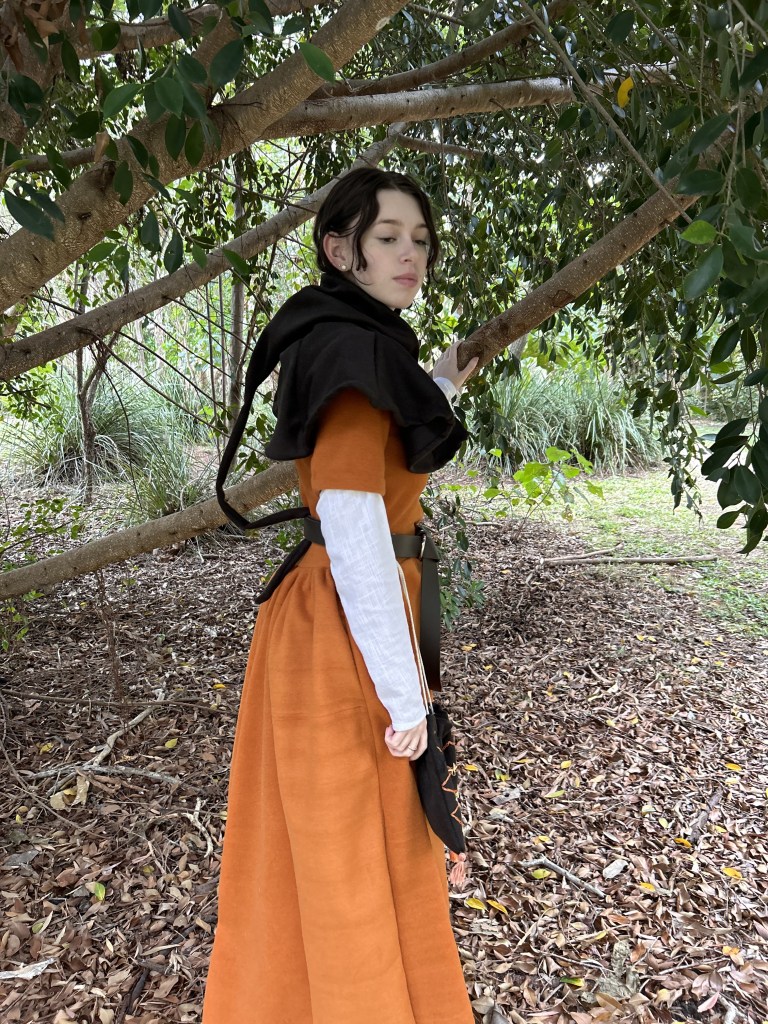
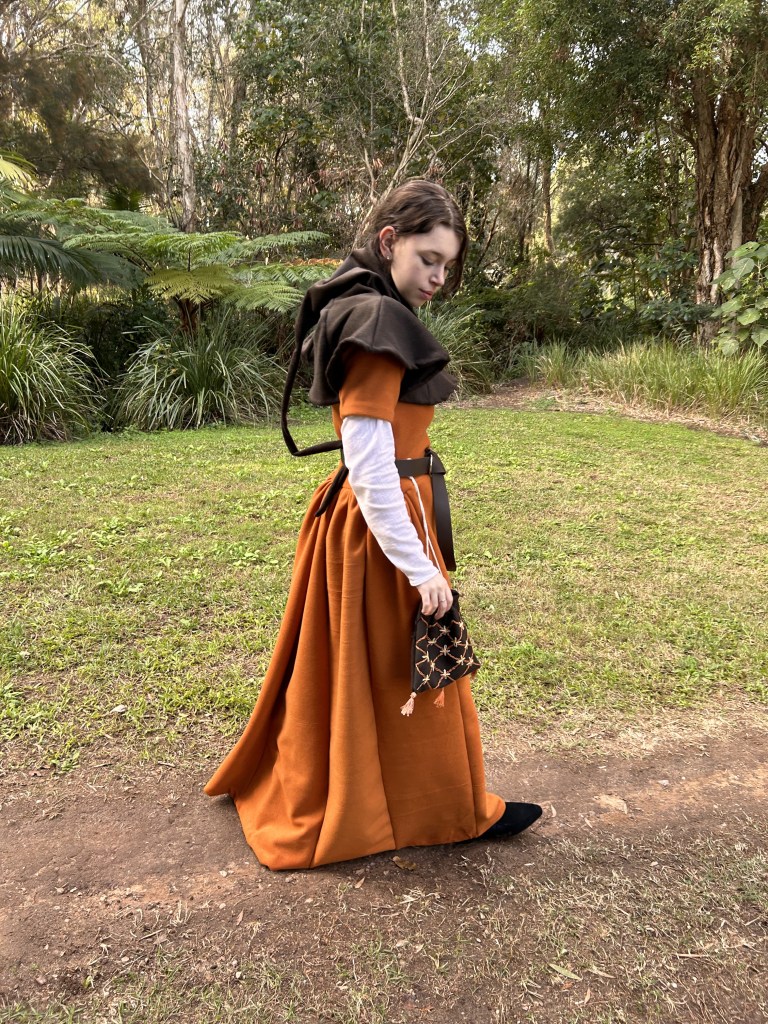
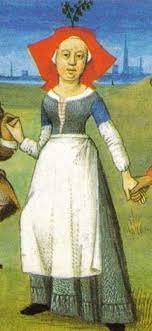
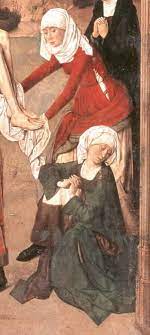
In the images below, you can see the construction lines of the dresses, the different types of lacings and fastenings, and examples of pin on sleeves. These pieces of artwork were my main inspiration in the creation of my kirtle.
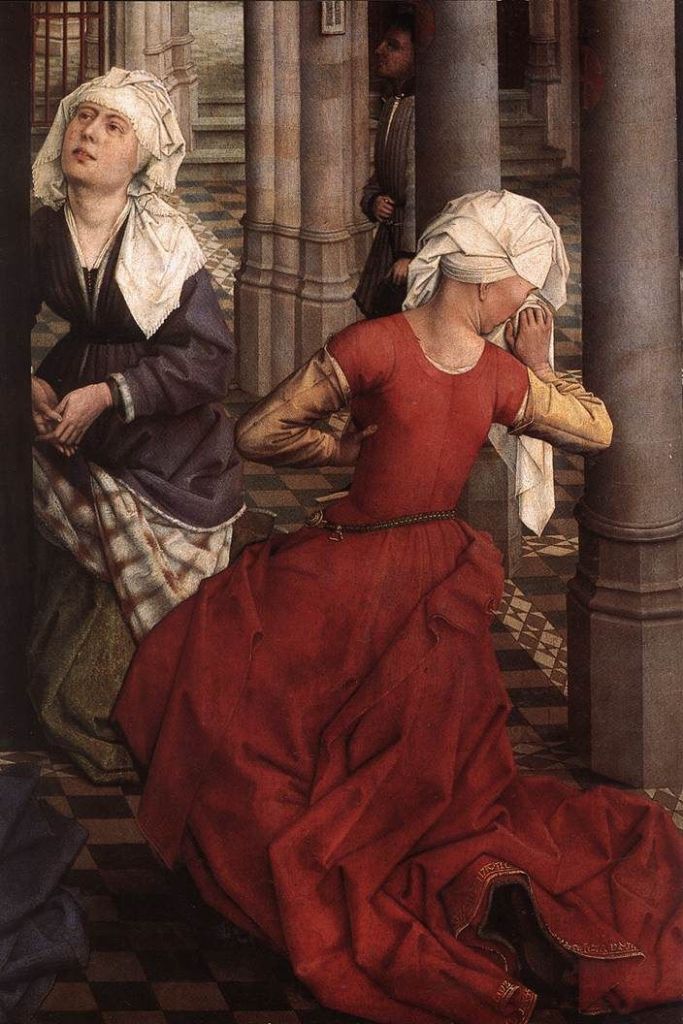

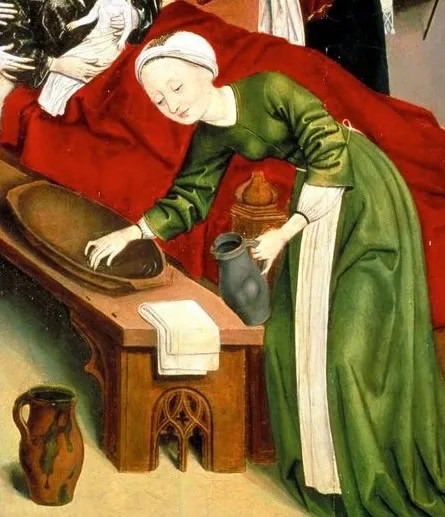
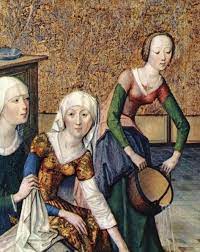

Now with the brief history out of the way let’s get onto the tutorial!
Tutorial
Again, this isn’t the most professional pattern and dress making ever, but it worked for me and I’m sure it will work for you. It’s also very beginner friendly.
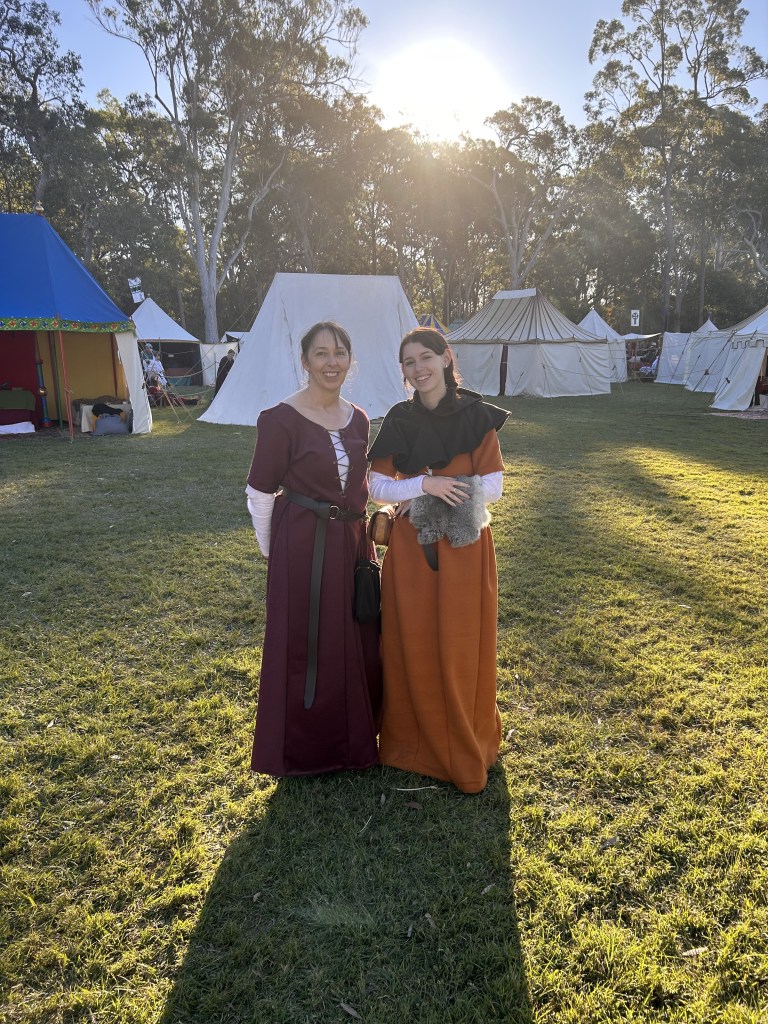
My mum wore a similar dress to the medieval festival but with the 13th century kirtle construction, just swapping out the sleeves and adding the addition of front lacing. Something else that could be easier.
I am also trying something new. I filmed portions of this dress making and will include besides instruction. Let me know what you think.
For this kirtle you will need the following measurements:
- Bust divided by two – for example if your full bust measurement (all the way around) is 80cm, you will use 40cm for your measurements.
- Waist – to find your waist, bend to the side and where your skin creases is your waist.
- Shoulder to floor
- Waist to floor
- Shoulder Circumference
- Hand – measure the circumference of the largest part of your hand.
- Shoulder to wrist (overarm)
- Armpit to wrist (underarm)
Kirtle Pattern:
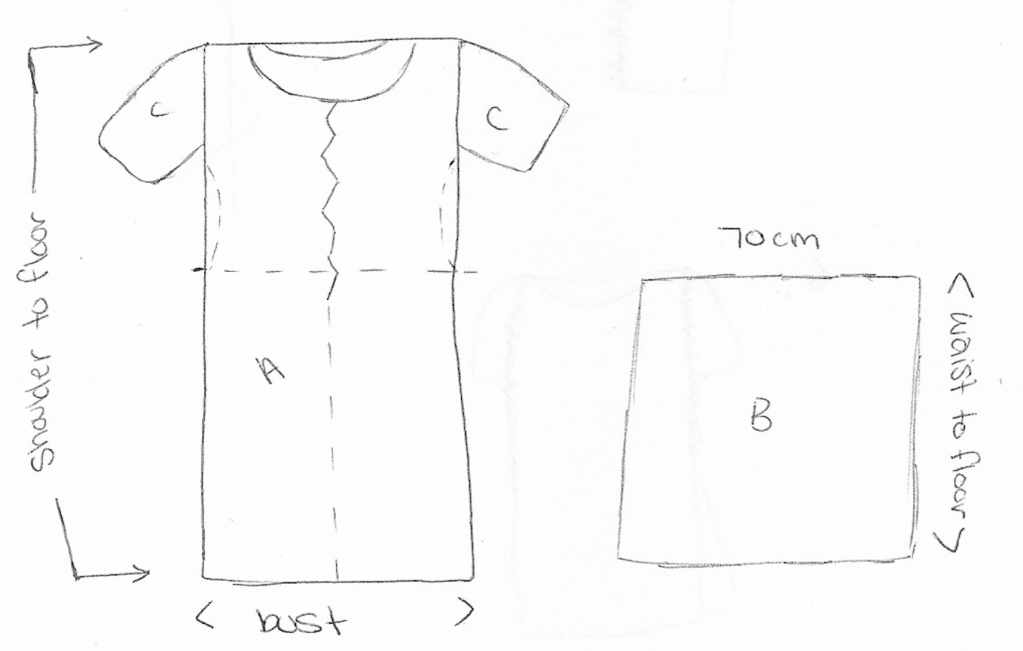
There are other ways to create this dress, namely with a seperate bodice and skirt piece, where the skirt is one much longer piece of fabric. For the bodice, your can use the pattern you create today to draft up a bodice pattern.
Recommended Fabric Layout:
My fabric was 150cm in width and 250cm in length.
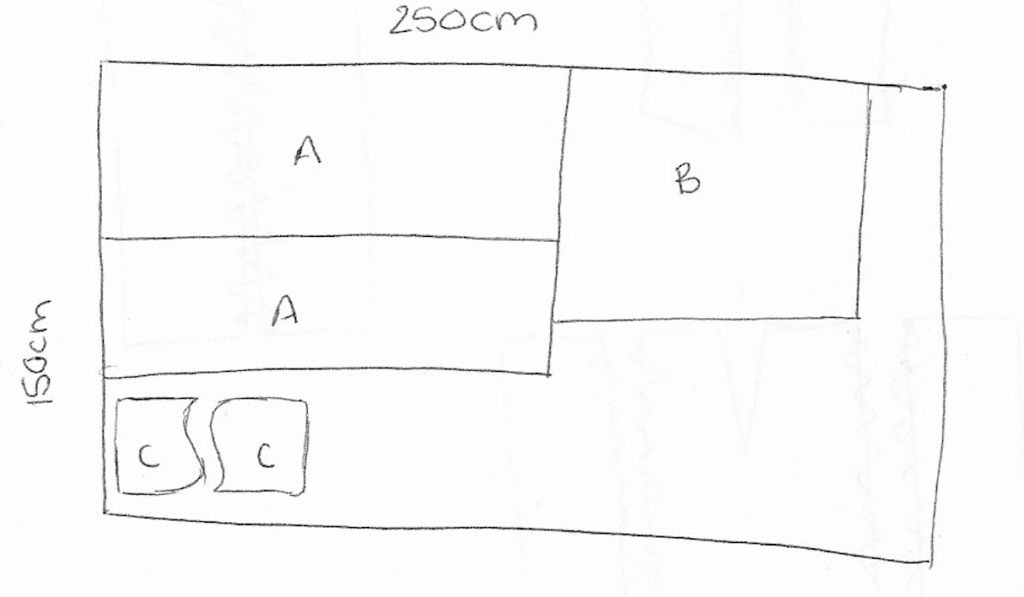
As you can see here I used a slightly different layout, and I had quite a lot of fabric leftover.
The sleeves I’m using for this pattern are the same as the ‘S’ sleeve, which you can find a tutorial to here, but are cut shorter. I just traced a new pattern from my old one and cut off a large portion of the length. Leave the sleeves to cover around 3/4 of my bicep.
Construction
Now you’ve cut your fabric, lets get into the construction!
Key for my doodles:

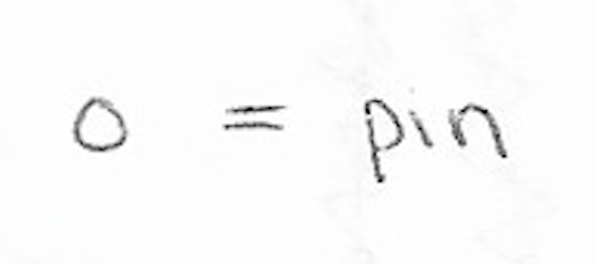

Step 1: Begin by sewing the shoulder sleeves, but leave enough room for your head!
Step 2: With chalk or a removable fabric marker, mark out your neckline. I used a tank top with a low square neckline as a guide. Mark out the centre of your neckline (which should be in the centre of piece A) with a line. Cut out your neckline but not down the line. Try on your kirtle at this stage to make sure you like your neckline
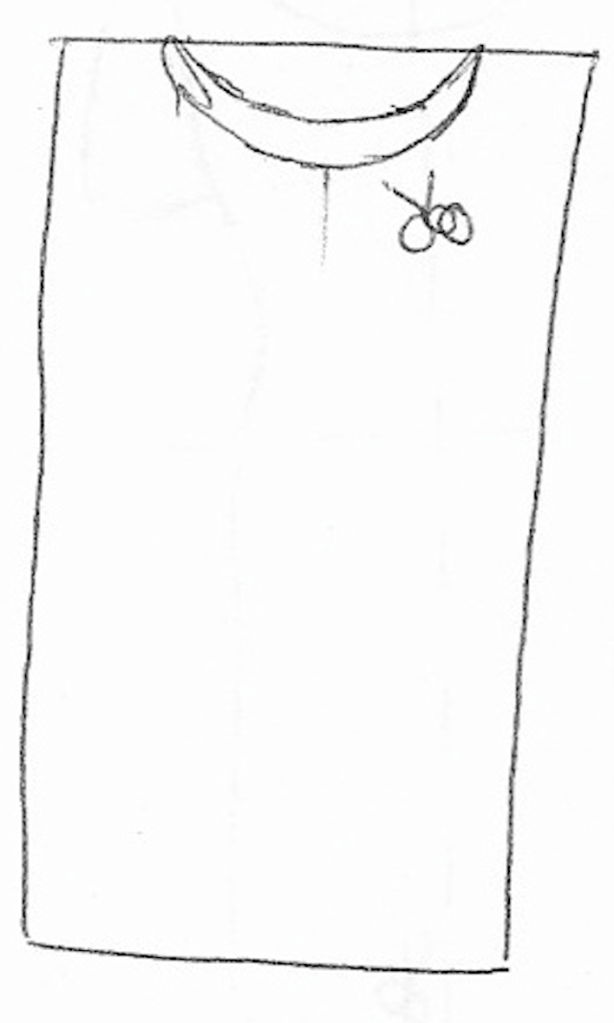
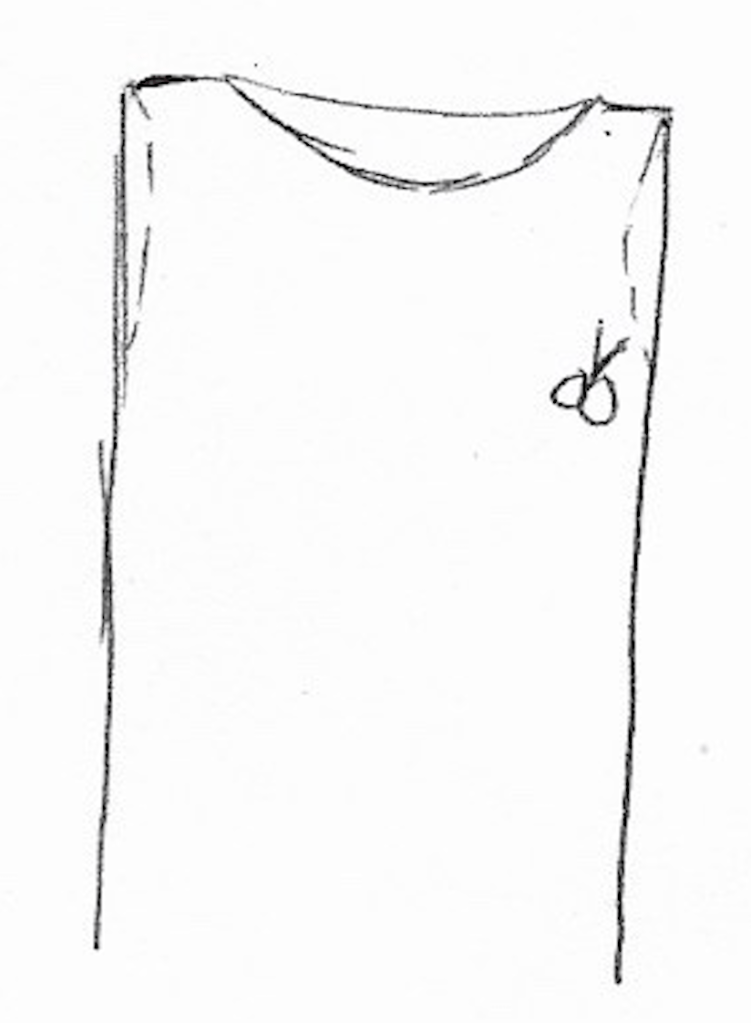
Step 3: With your kirtle on, or using a a tank top for reference, mark out the arm holes and cut. This step isn’t necessary for a fabric like linen or cotton, but I wouldn’t skip it if you’re using wool… unless you want to look like a medieval version of Steve from Minecraft.
While still wearing your kirtle, mark out your waist, and belly button, or just below your belly button.
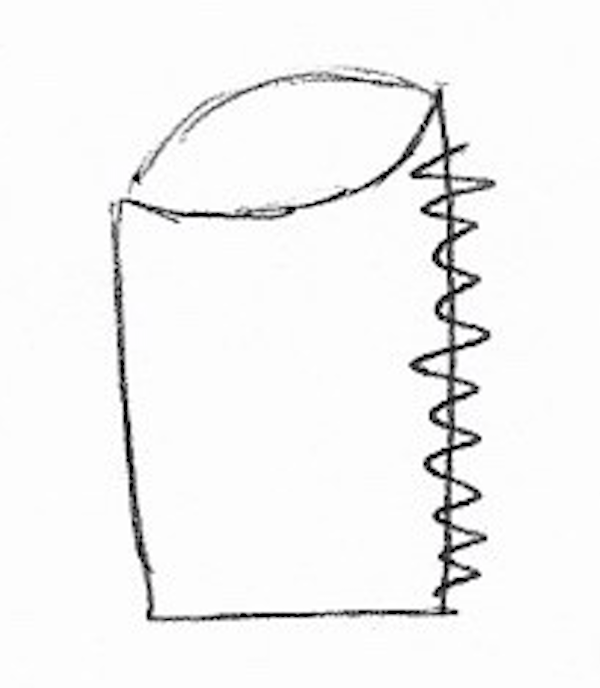
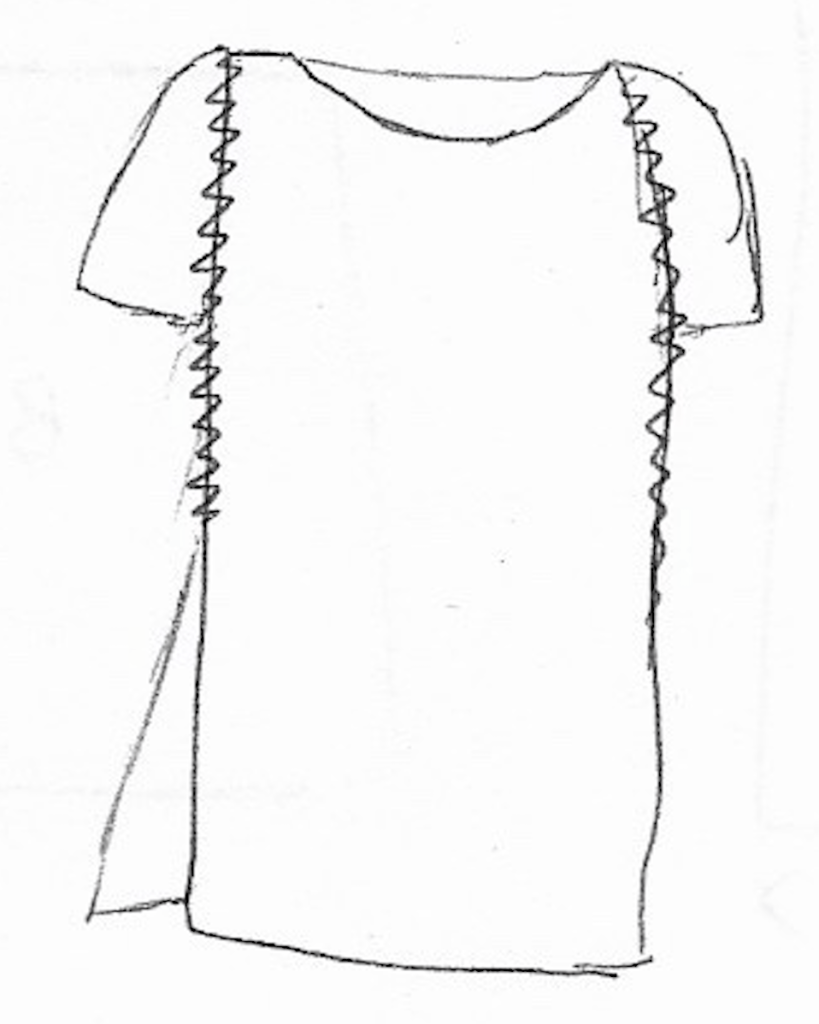
Step 4: Sew your sleeves together so they look like this:
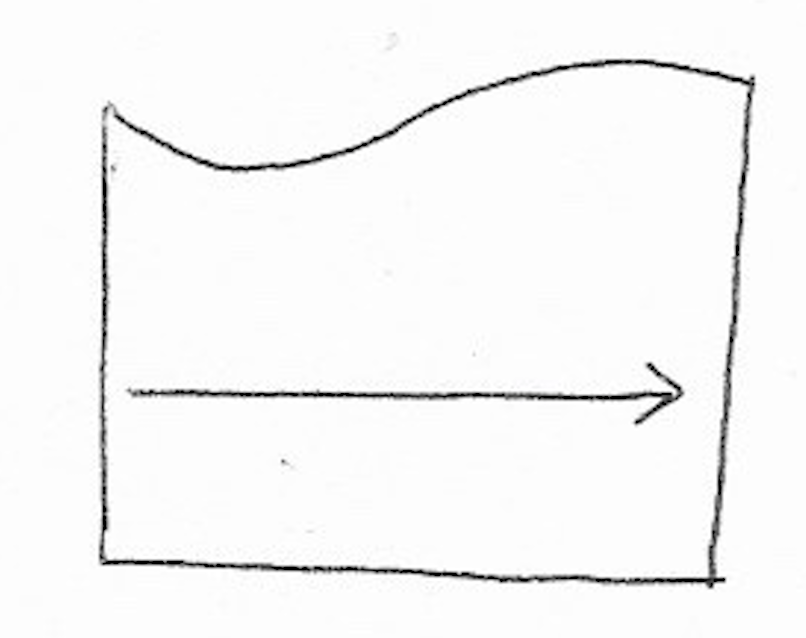
Step 5: Sew in your sleeves, making sure that the sleeve seam is at the back of your garment.
With a seperate stitch, sew from armpit to waist.
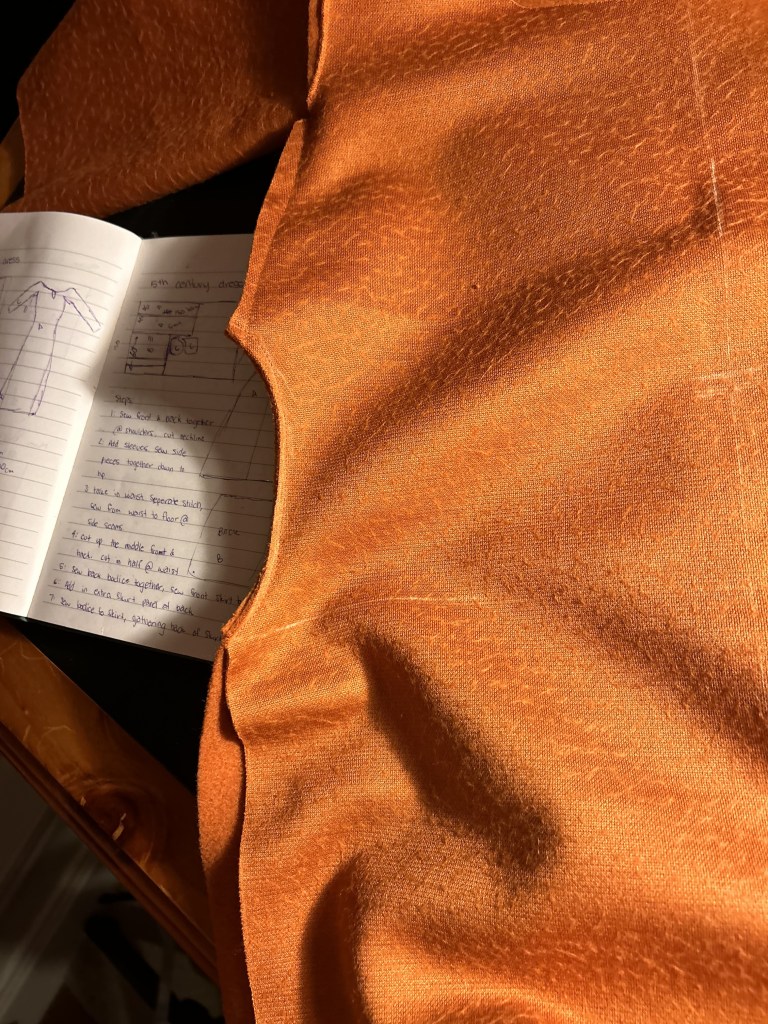
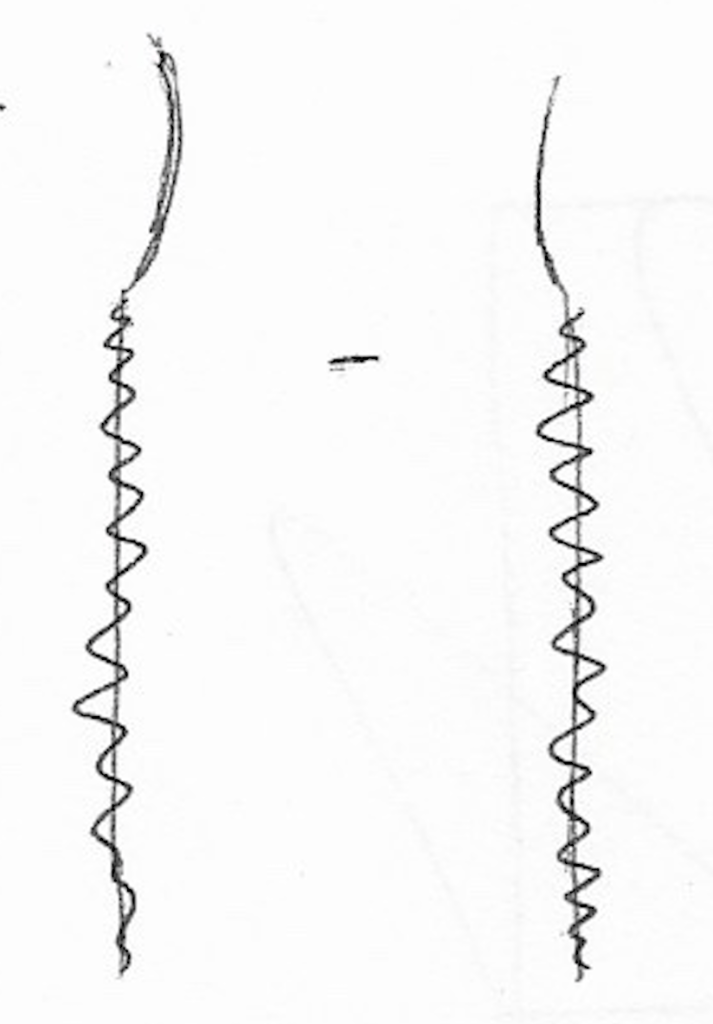
Step 6: Put your kirtle back on (inside out) and while pulling on the sides mark out your waist to take in your dress, from under your bust to your waist. This will also add bust support.
Once marked out, sew along your marking and cut away the excess fabric.
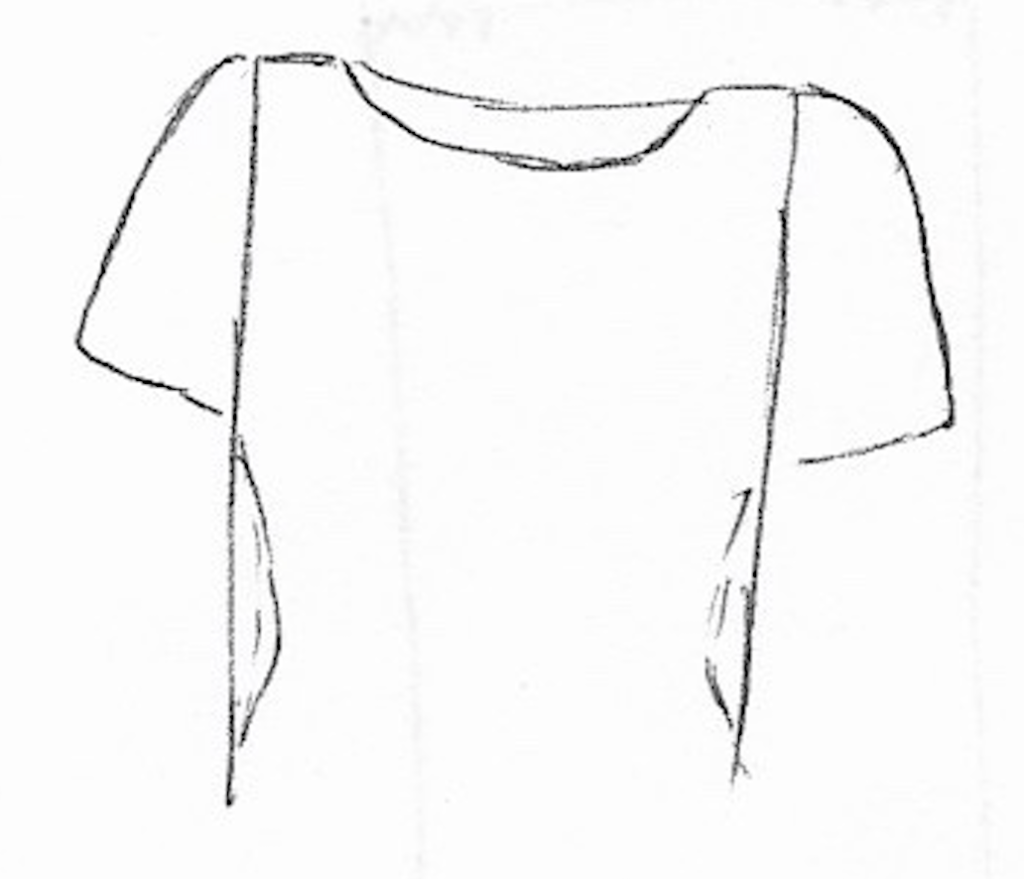
It should look like this once you’ve taken it in:
Step 7: Sew down the sides of your skirt.
Step 8: Cut up the middle front and back of your garment, and across the waist, underneath where you took it in.
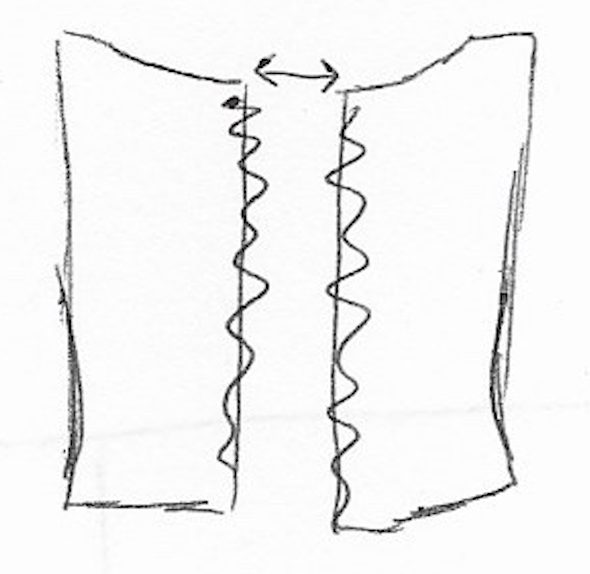
Step 9: Sew the back bodice pieces together.
Step 10: Sew up the front skirt to your naval marking.
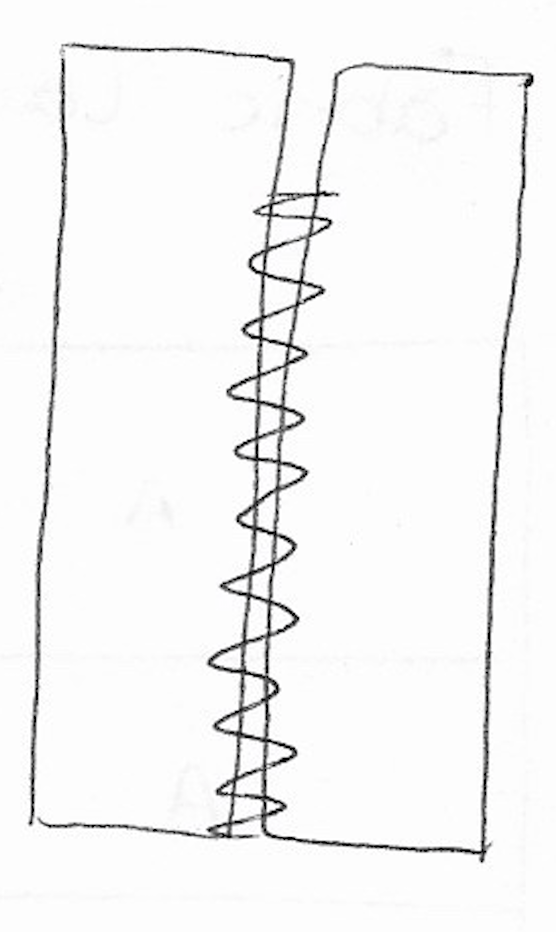

Step 11: Add in the extra skirt fabric (piece B) to the back of the skirt.
Step 12: Sew the front of your skirt to the front of your bodice.
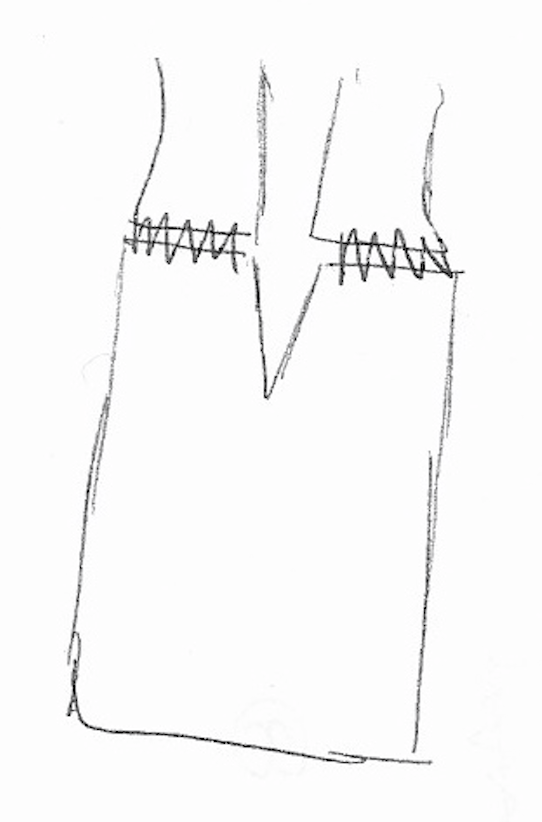
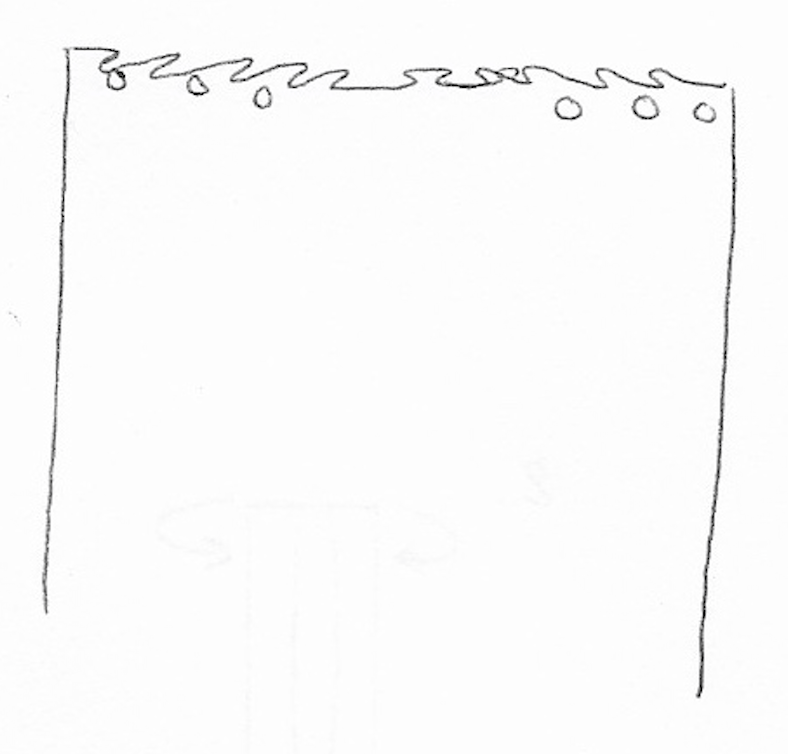
Step 13: Pin pleats into the back of your skirt. The sew the back of your skirt to the back of your bodice.
Woo hoo! You’re done the construction! All that’s left is to hem the neckline, sleeves and skirt. For the neckline, and front (where the eyelets will go) I folded it over once and whip stitched it down. For the selves and hem, I folded it over twice and whip stitched it down.
Eyelets
Now I must admit, my drawings for how to do eyelets isn’t the best, but I’m hoping I can explain it well enough.
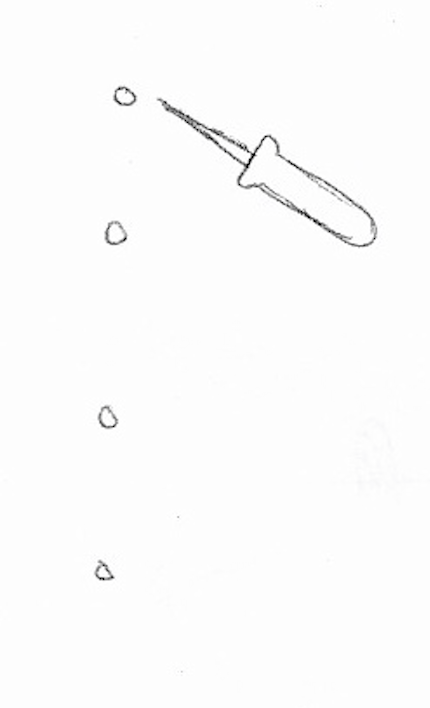
Pin where your eyelets will go (indicated by white circle) I did mine alternating, about an inch apart from each other. With an awl create a hole, make sure your hole is large enough for your lacing to fit through.
To secure it, you can use ordinary thread, but I’d recommend embroidery thread, as it does a lot of the work for you.
Starting from the inside of your garment, push your needle through to the front.
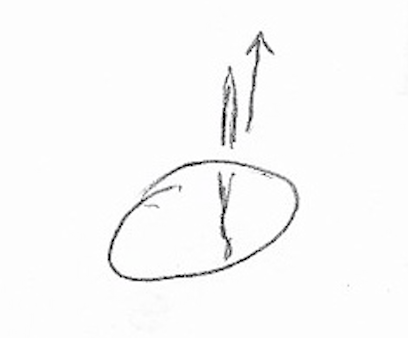

Loop your needle back through the hole made by your awl and go back out to the front of your fabric.
Continue this all the way around, stretching out your hole as you go. Finish your stitch at the back of your fabric.
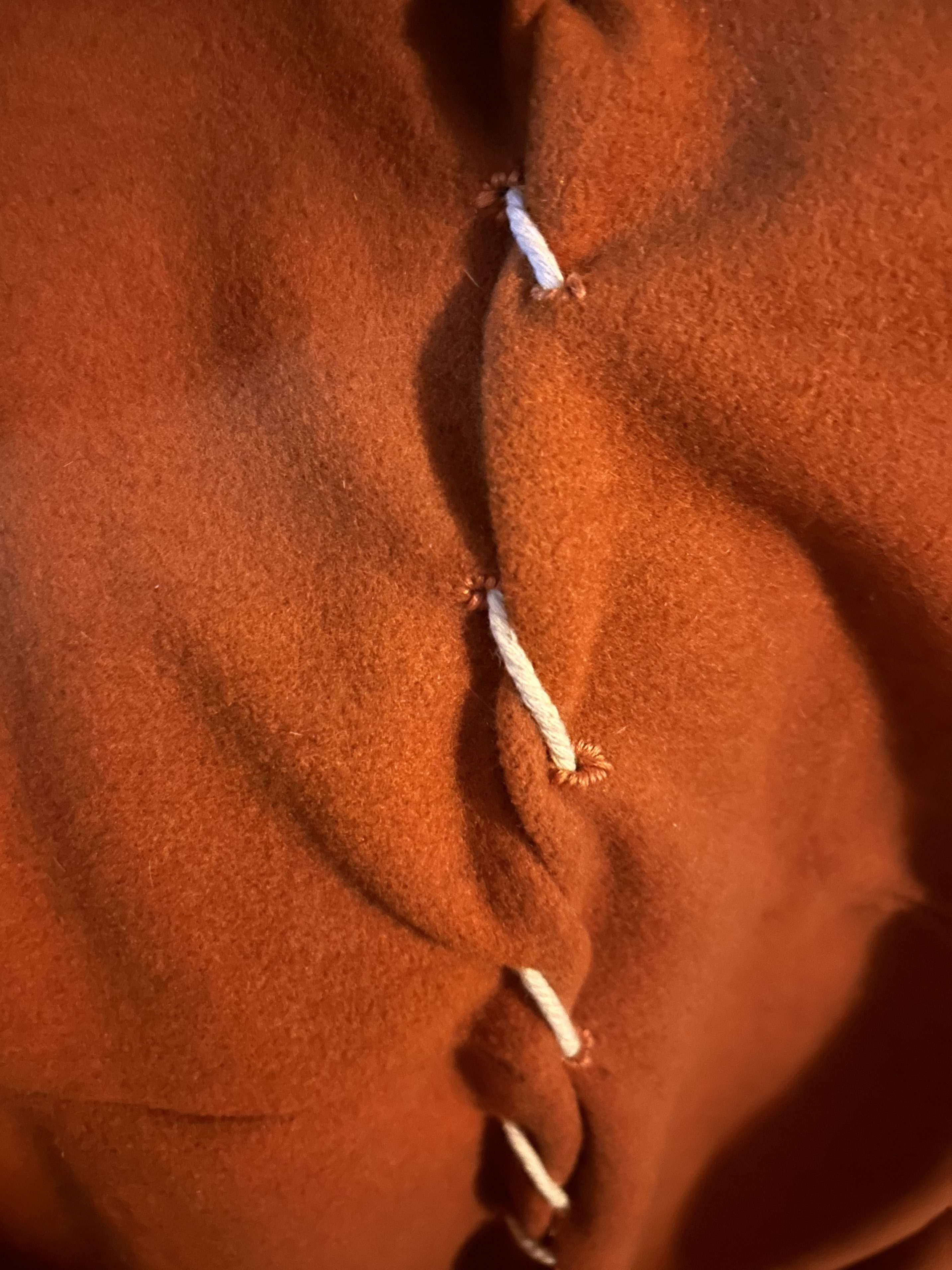
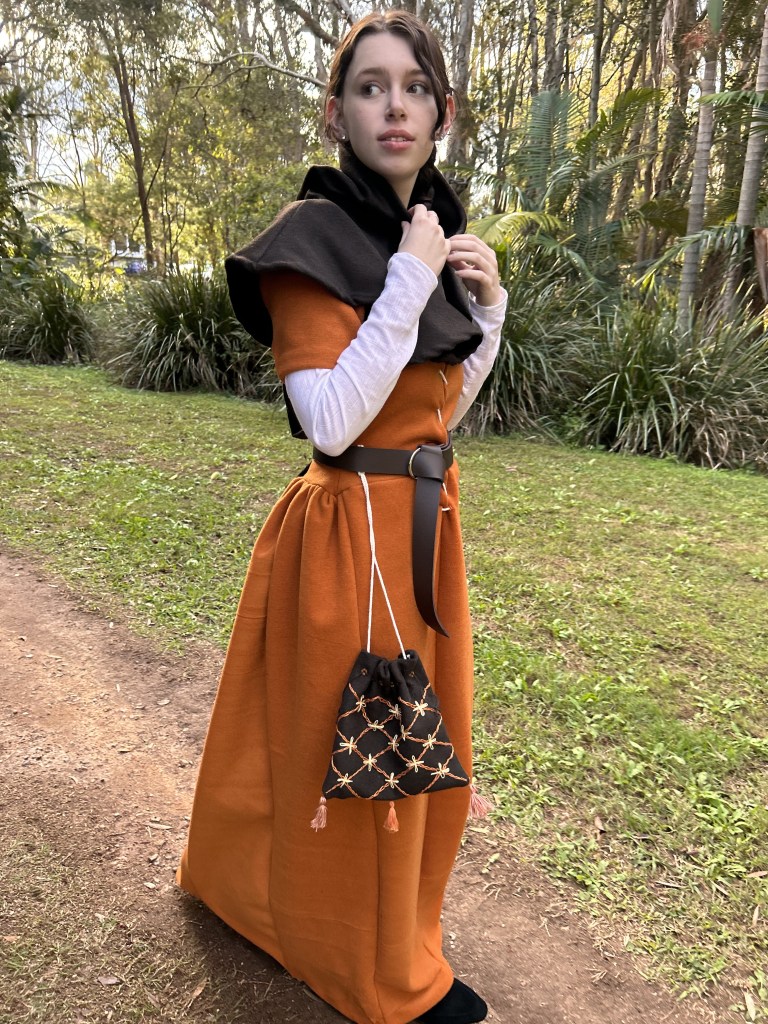
And with a little bit of lacing, you’re done! For the most fashionable look, I recommend pairing this with a 14th century hood and a cute embroidered coin purse.
Be sure to share your creations with me on Instagram @medievalmusgrave

Did you find this helpful?
Sewing my way through the Middle Ages and beyond
Follow me on Instagram and tag me in your recreations!

 Medieval Musgrave